Other languages: Français · Español · ไทย
Hexagram 63 — Qian, The Creative
Chronological no. 63 (binary-weight order) · King Wen no. (traditional) 1 · 乾
By Anibal Edelberto Amiot — Updated October 1, 2026
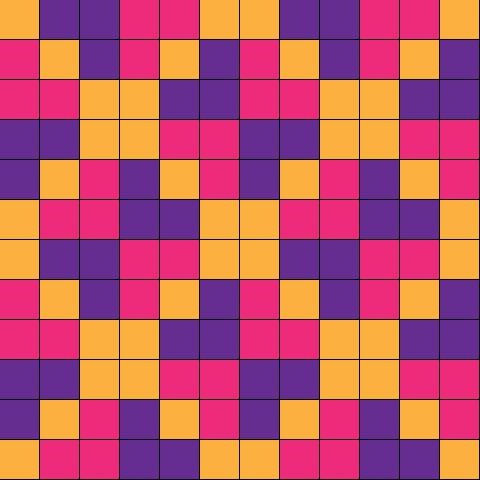
the father
the father
Heaven moves without ceasing above Heaven: the unbroken line twice over, the same force twice, one carrying the other without ever faltering. Nothing here limits the movement; nothing stops it. This is the image of pure vigor, the kind that knows no rest because it has not yet met what could resist it. The sage who contemplates this figure does not see an invitation to agitation, but a model: just as Heaven turns without interruption, the noble one never stops strengthening himself — not through occasional effort, but through a discipline as continuous as the movement of the stars.
The unbroken line surges forth alone, not yet clothed in form. At this very first degree of the figure, the power already exists in full, yet it has taken on no recognizable shape — it wears no function, no role. This is force in its pure state, before it has given itself a name. This line announces what the five that follow will be: a progression in which the power to act gradually fashions itself a garment, until the whole figure, at its summit, discovers that even the greatest force must learn to hold itself back.
The six lines
At the base of the earth, fullness stirs: the yang onset that carried the whole figure now yields its place.
The steadied earth reaches its limit: the solidity that upheld the structure is about to change its nature.
At the threshold between earth and man, force wavers: what acted through firmness hesitates before turning.
In the action of man, fullness meets its limit: the initiative that led the figure folds back upon itself.
At the sage's seat, fullness hollows out: the force that governed the figure from its center is about to invert.
At the summit, fullness completes its course and breaks: what had culminated cannot go further without turning back.
Source: La Livrée d'Hermès, Anibal Amiot — chapter 7.1 (pp. 63–68). French version of this page.
For the notions used here — magic square, layer and casting, the Yi Jing — see the project lexicon.
The patterns of this hexagram
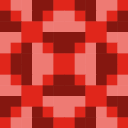
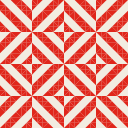
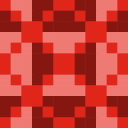
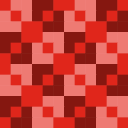
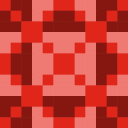
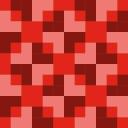
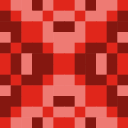
This hexagram is the binary complement of hexagram 0 — Kun, The Receptive (63 − 63 = 0): its patterns have exactly the same shape, only their colours are permuted. Here are the eight patterns of hexagram 0, one for each admissible family.
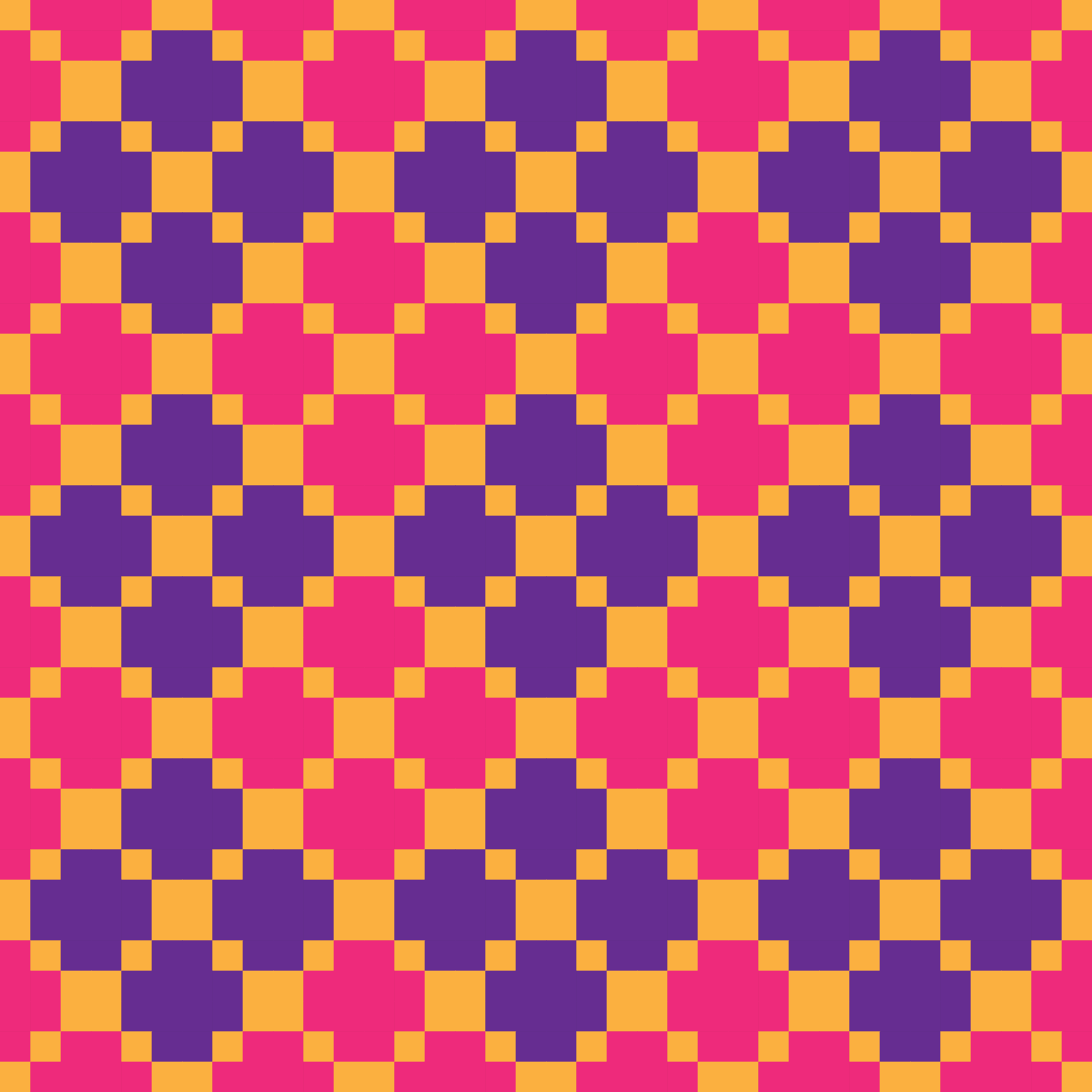 Bases — YANG mutant
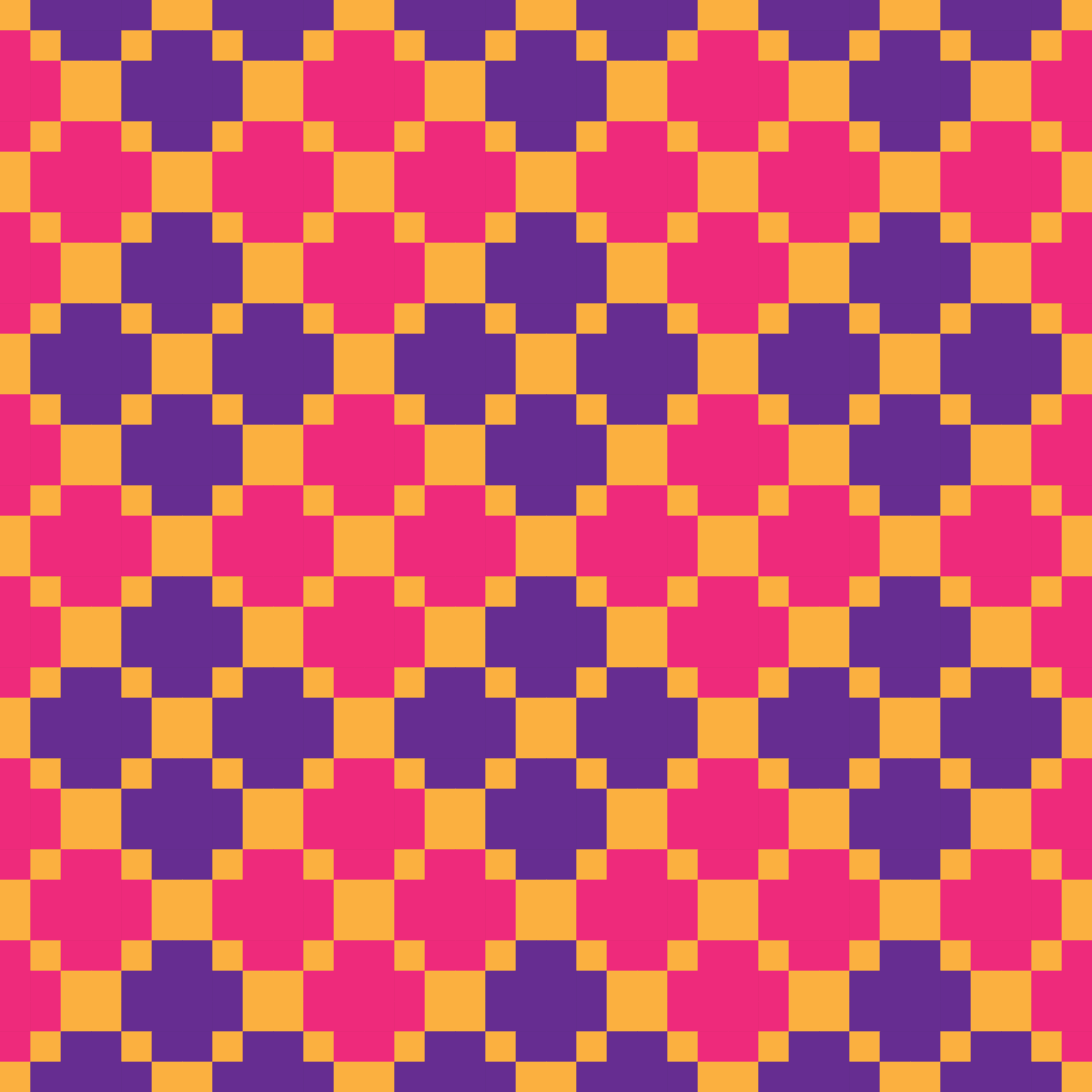 Bases — YANG
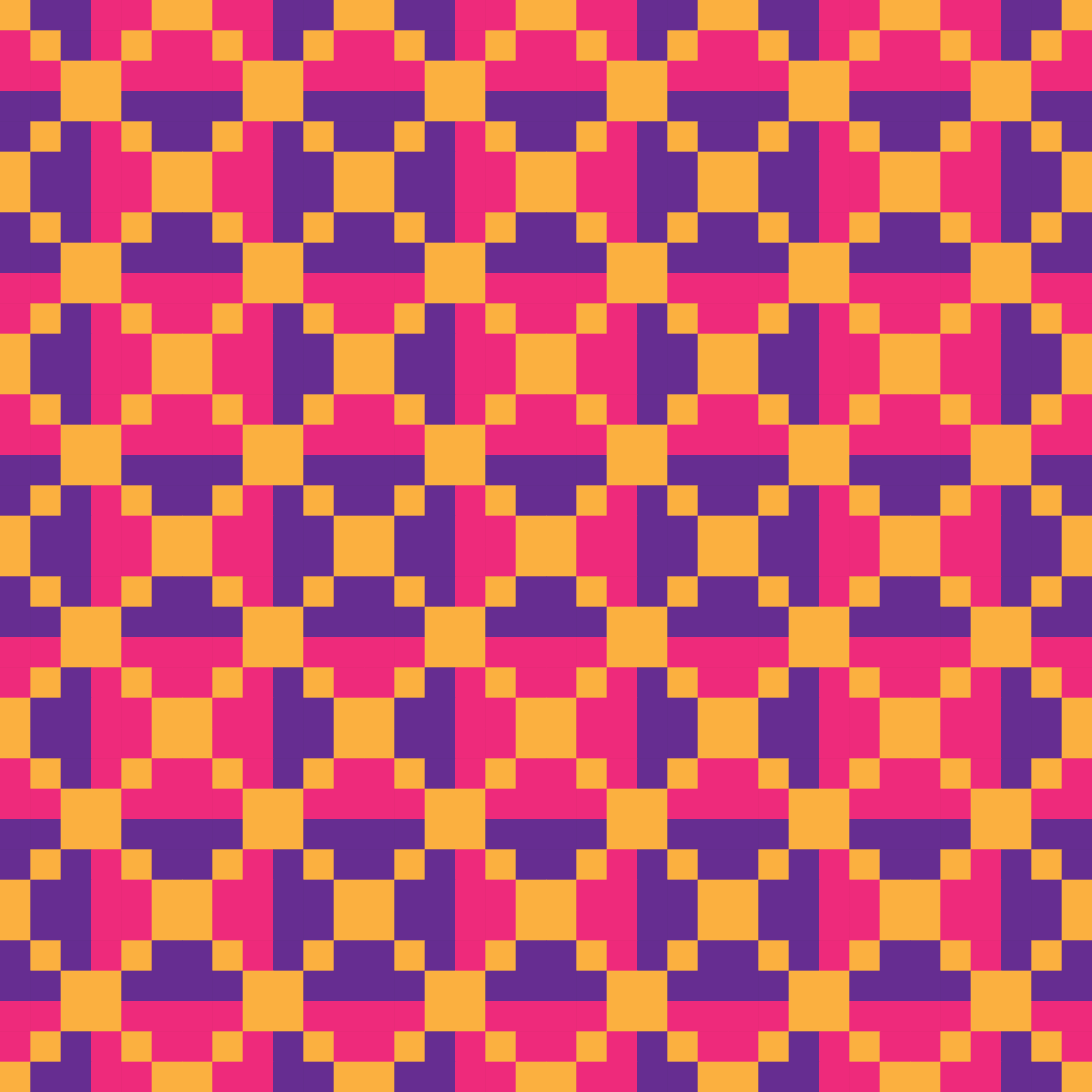 Pair of two — YANG + YIN mutant
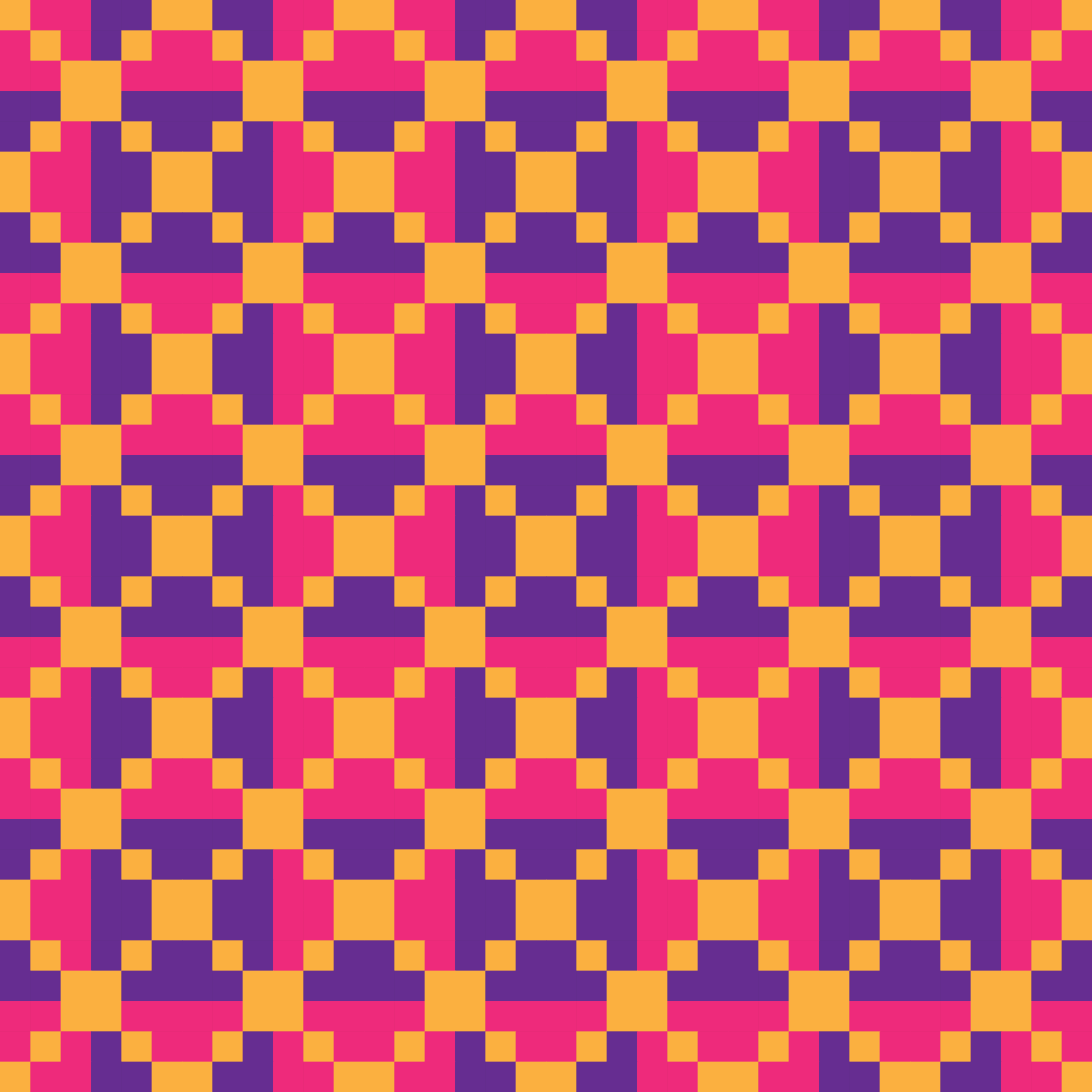 Pair of two — YIN mutant + YANG mutant
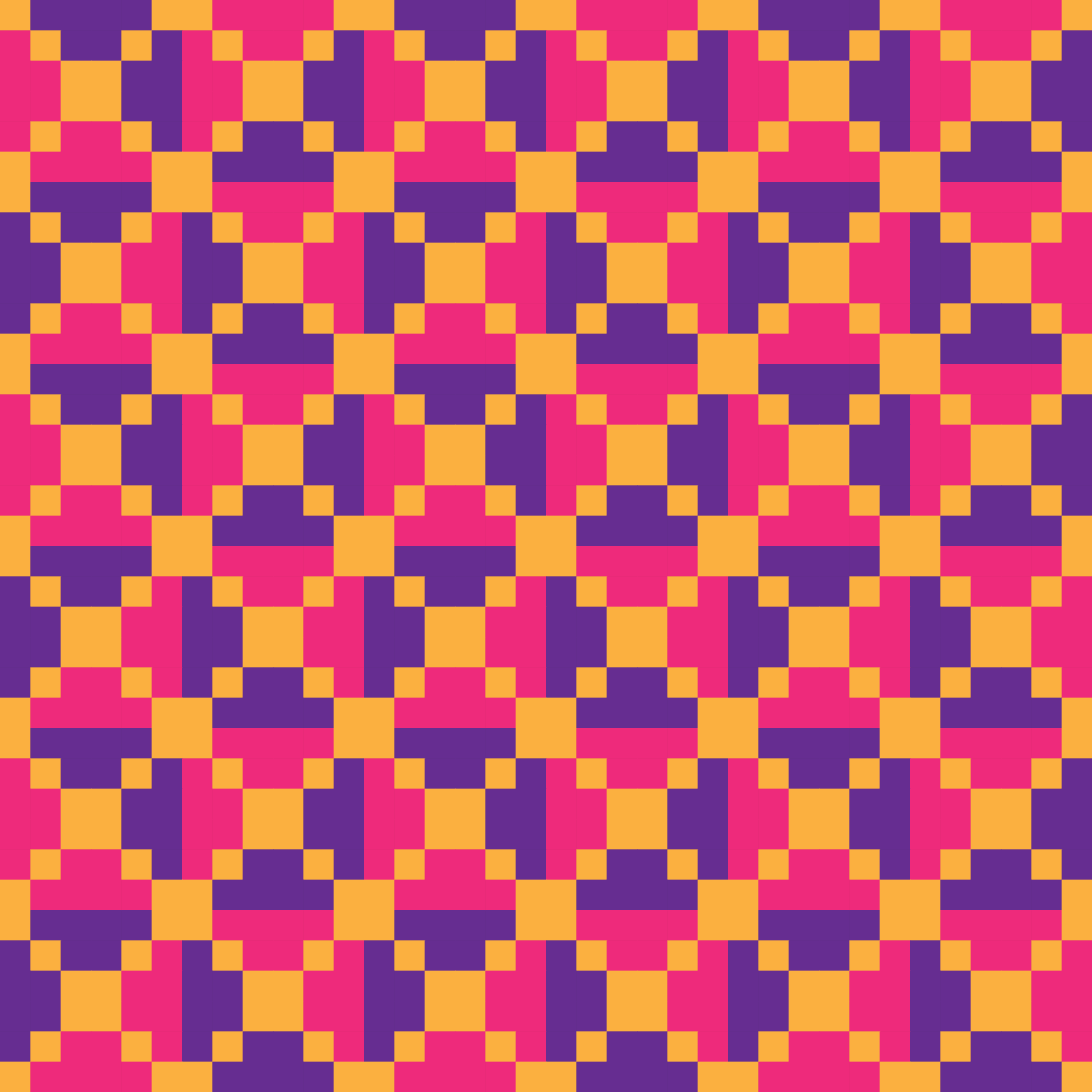 Pair of two — YIN + YANG
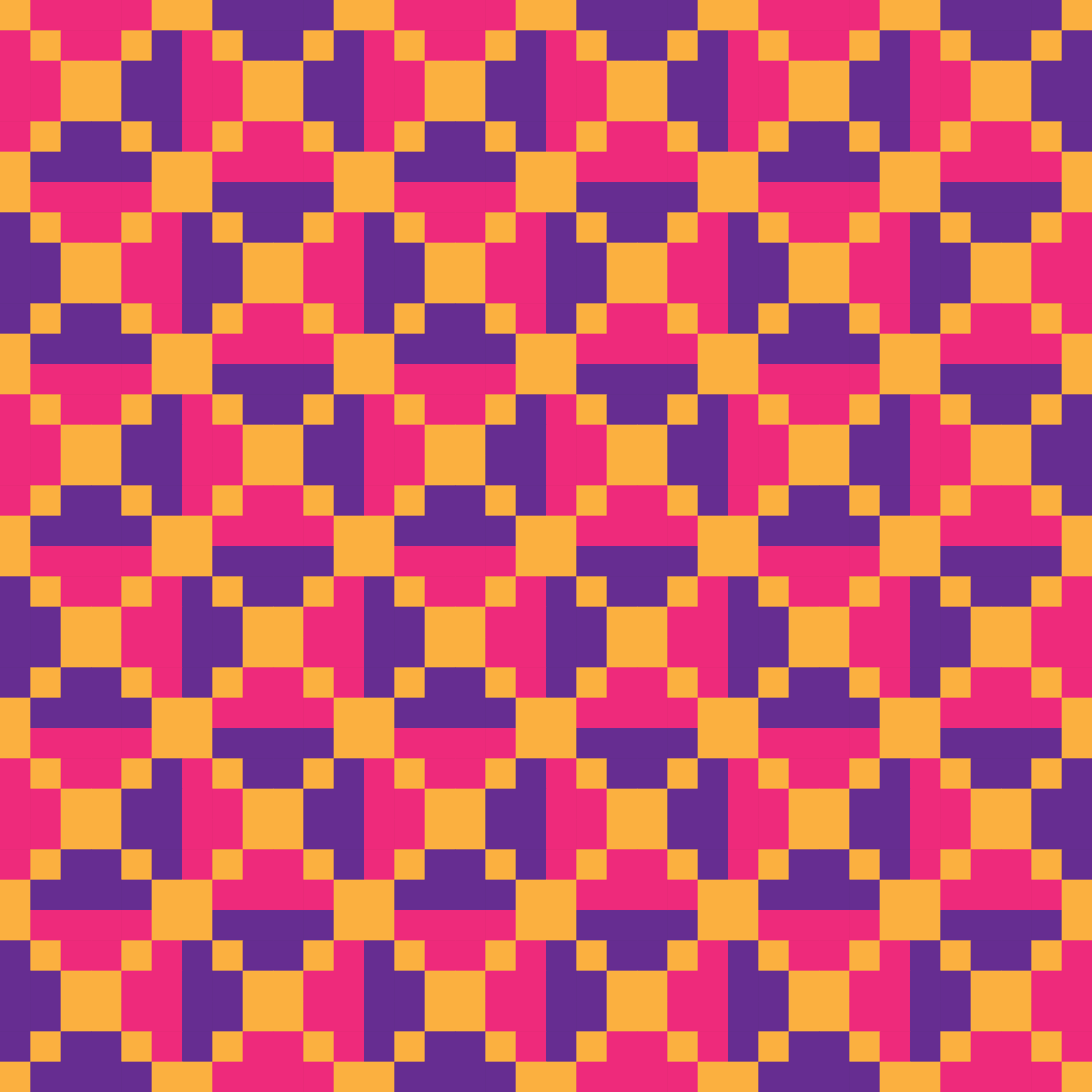 Pair of two — YIN + YANG mutant
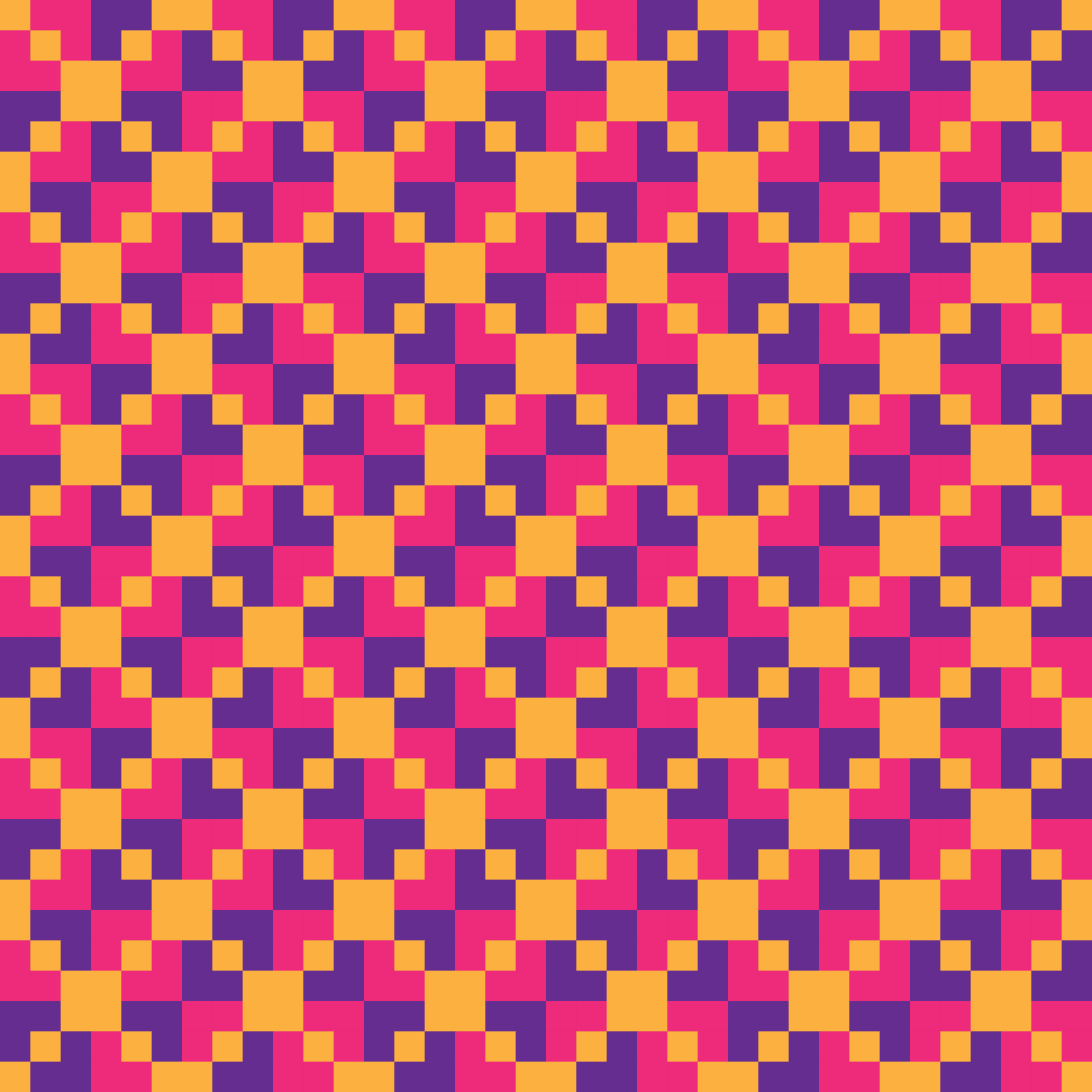 Triple — without YANG
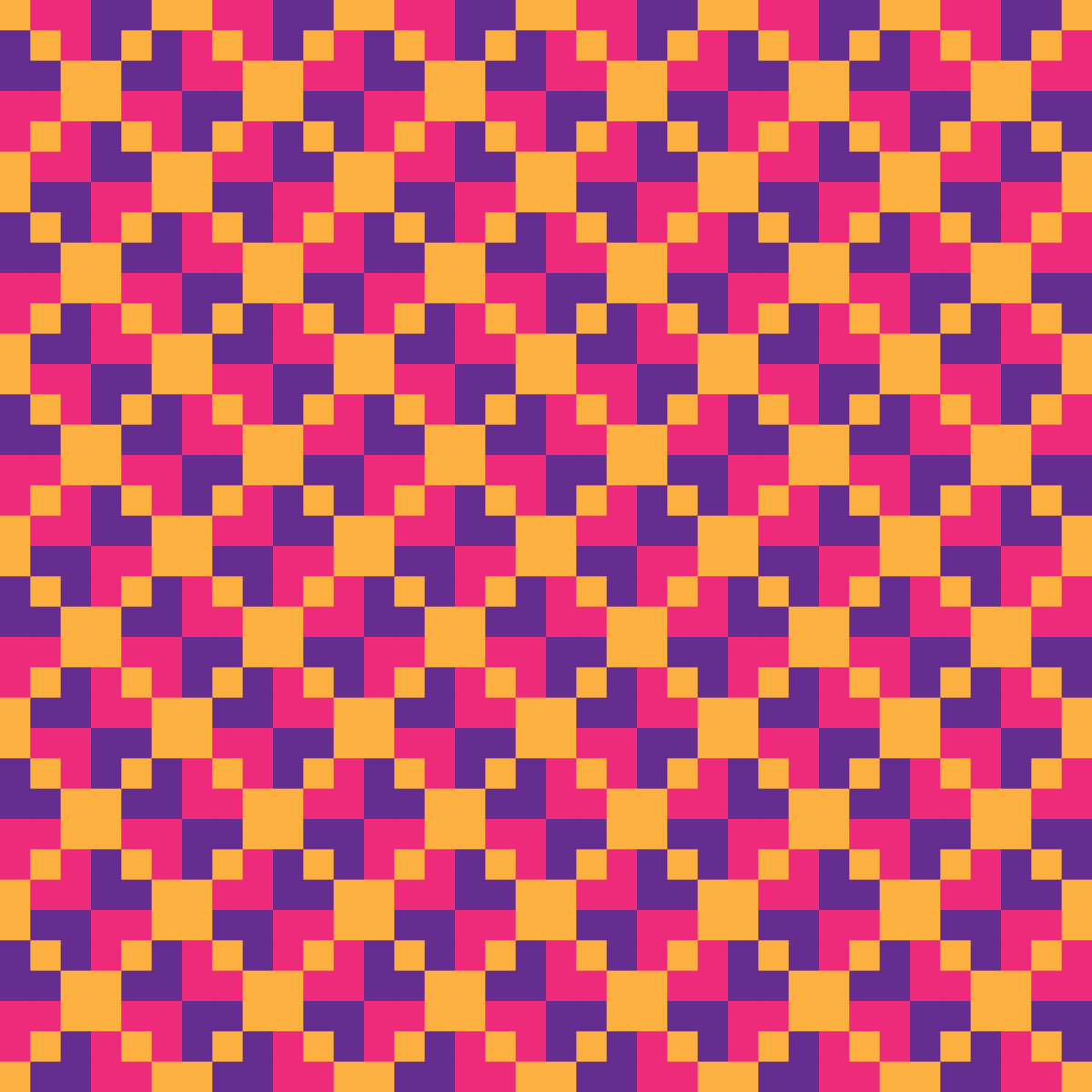 Triple — without YANG mutant
Neighbouring hexagrams
62 — Gou, Coming to Meet · 0 — Kun, The Receptive
Hexagrams sharing a trigram
Same upper trigram (☰ Qian): 56 — Pi, Standstill · 57 — Wu Wang, Innocence · 58 — Song, Conflict · 59 — Lu, Treading · 60 — Dun, Retreat · 61 — Tong Ren, Fellowship with Men · 62 — Gou, Coming to Meet
Same lower trigram (☰ Qian): 7 — Tai, Peace · 15 — Da Zhuang, The Power of the Great · 23 — Xu, Waiting · 31 — Guai, Breakthrough · 39 — Da Chu, The Taming Power of the Great · 47 — Da You, Possession in Great Measure · 55 — Xiao Chu, The Taming Power of the Small