Other languages: Français · Español · ไทย
Hexagram 57 — Wu Wang, Innocence
Chronological no. 57 (binary-weight order) · King Wen no. (traditional) 25 · 無妄
By Anibal Edelberto Amiot — Updated October 1, 2026
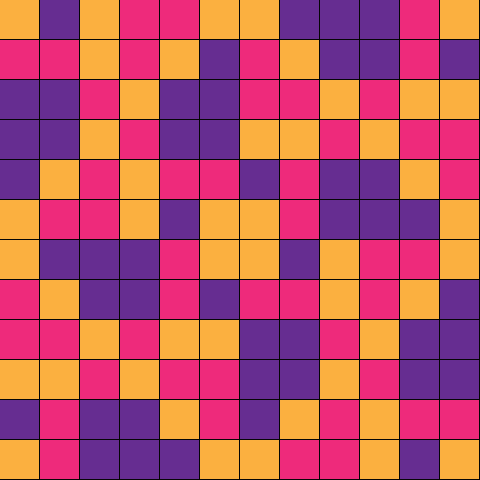
the father
the eldest son
Beneath Heaven, Thunder travels on: the image of innocence. Movement follows its course beneath the vast celestial expanse, without calculation or detour, with the simplicity of something that has nothing to hide. This is the figure of upright, spontaneous, unfeigned action. Thus the ancient kings, rich in virtue and attuned to the season, nourished the ten thousand beings: innocence is not naivety, it is the perfect alignment between intention and gesture.
Acting without artifice dissolves the knots of obstruction by itself. Complication is born almost always of calculation; true simplicity, on the other hand, defuses obstacles before even confronting them. This line teaches that spontaneous uprightness often resolves what the cleverest scheming only tangles further.
The six lines
At the base of the earth, fullness stirs: the yang onset that carried the whole figure now yields its place.
The receptive earth reaches its fullness: the silent welcome that carried the lower figure is about to assert itself.
At the threshold between earth and man, suppleness gathers weight: what once yielded by nature is about to harden.
In the action of man, fullness meets its limit: the initiative that led the figure folds back upon itself.
At the sage's seat, fullness hollows out: the force that governed the figure from its center is about to invert.
At the summit, fullness completes its course and breaks: what had culminated cannot go further without turning back.
Source: La Livrée d'Hermès, Anibal Amiot — chapter 7.1 (pp. 63–68). French version of this page.
For the notions used here — magic square, layer and casting, the Yi Jing — see the project lexicon.
The patterns of this hexagram
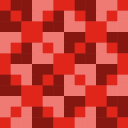
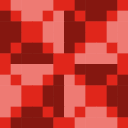
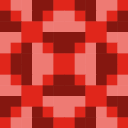
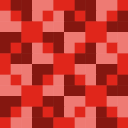
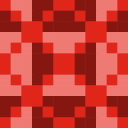
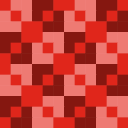
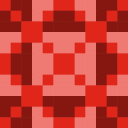
This hexagram is the binary complement of hexagram 6 — Sheng, Pushing Upward (63 − 57 = 6): its patterns have exactly the same shape, only their colours are permuted. Here are the eight patterns of hexagram 6, one for each admissible family.
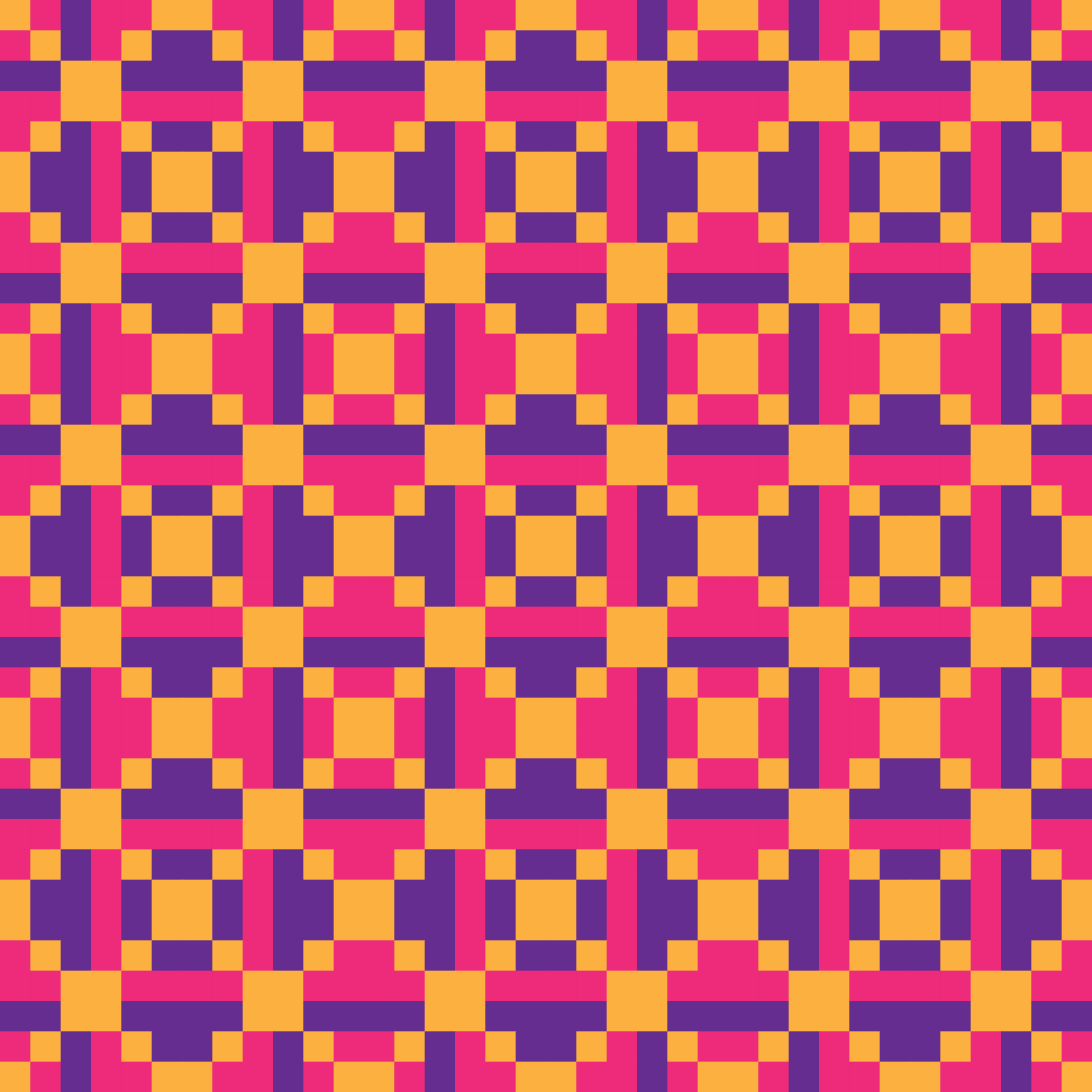 Bases — YANG mutant
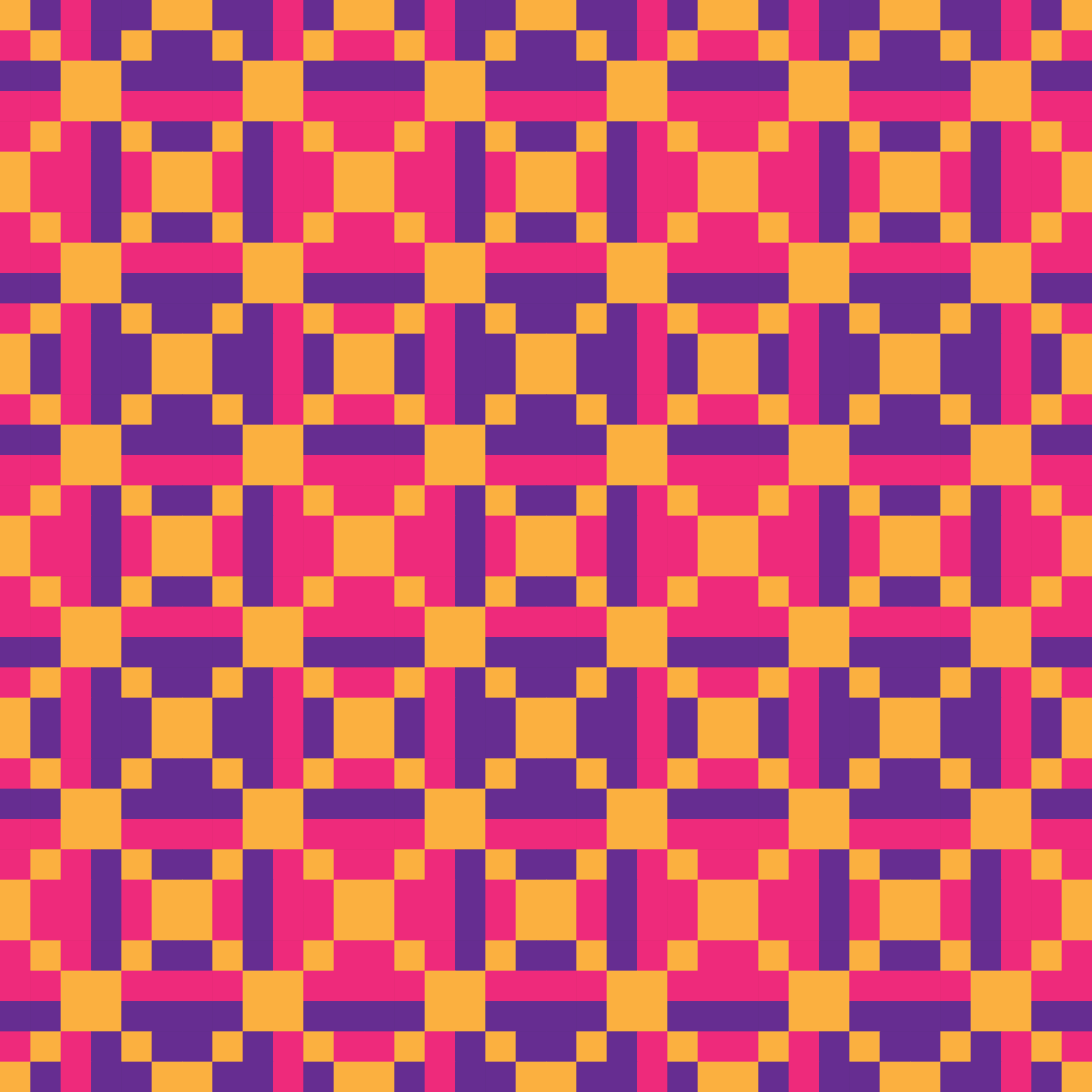 Bases — YANG
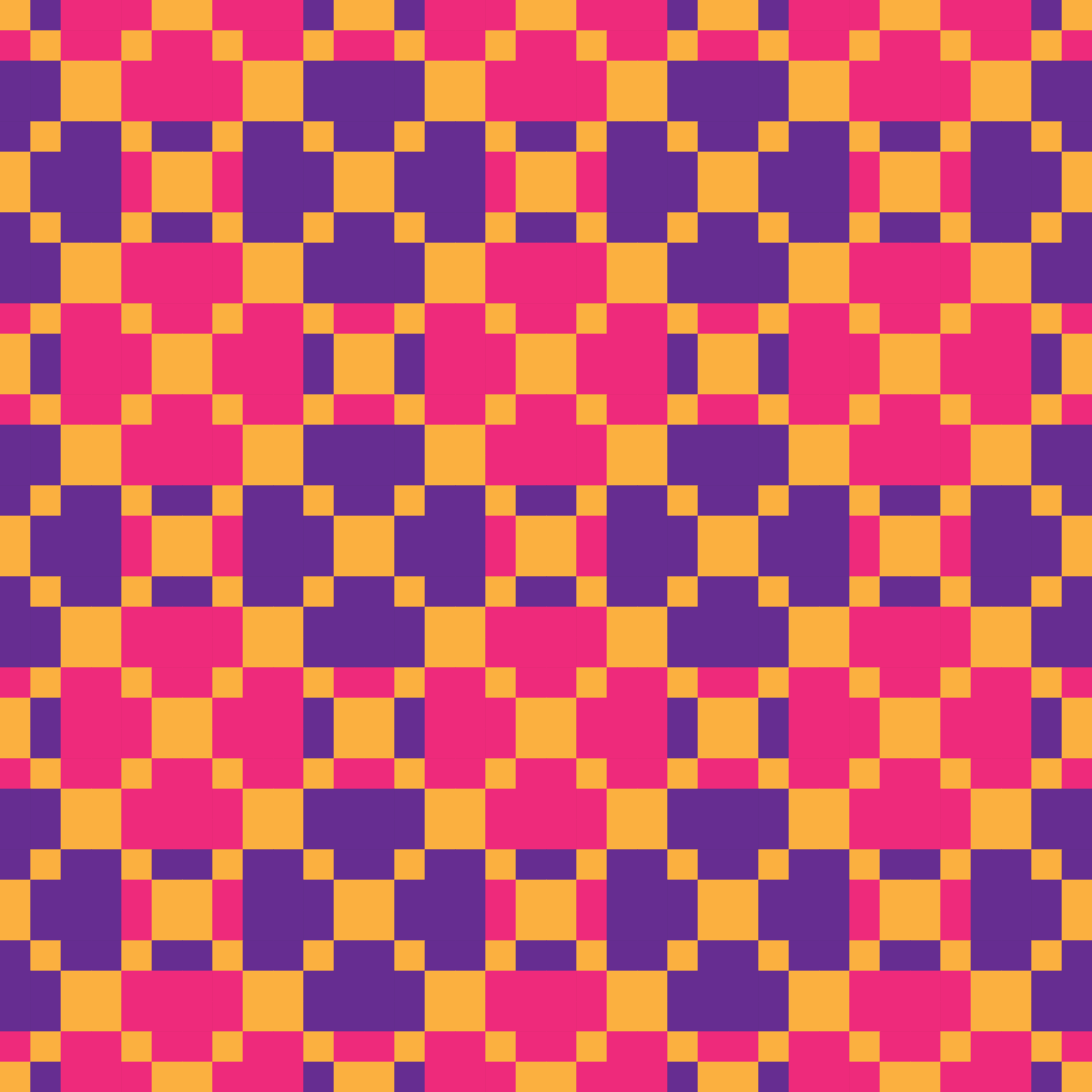 Pair of two — YANG + YIN mutant
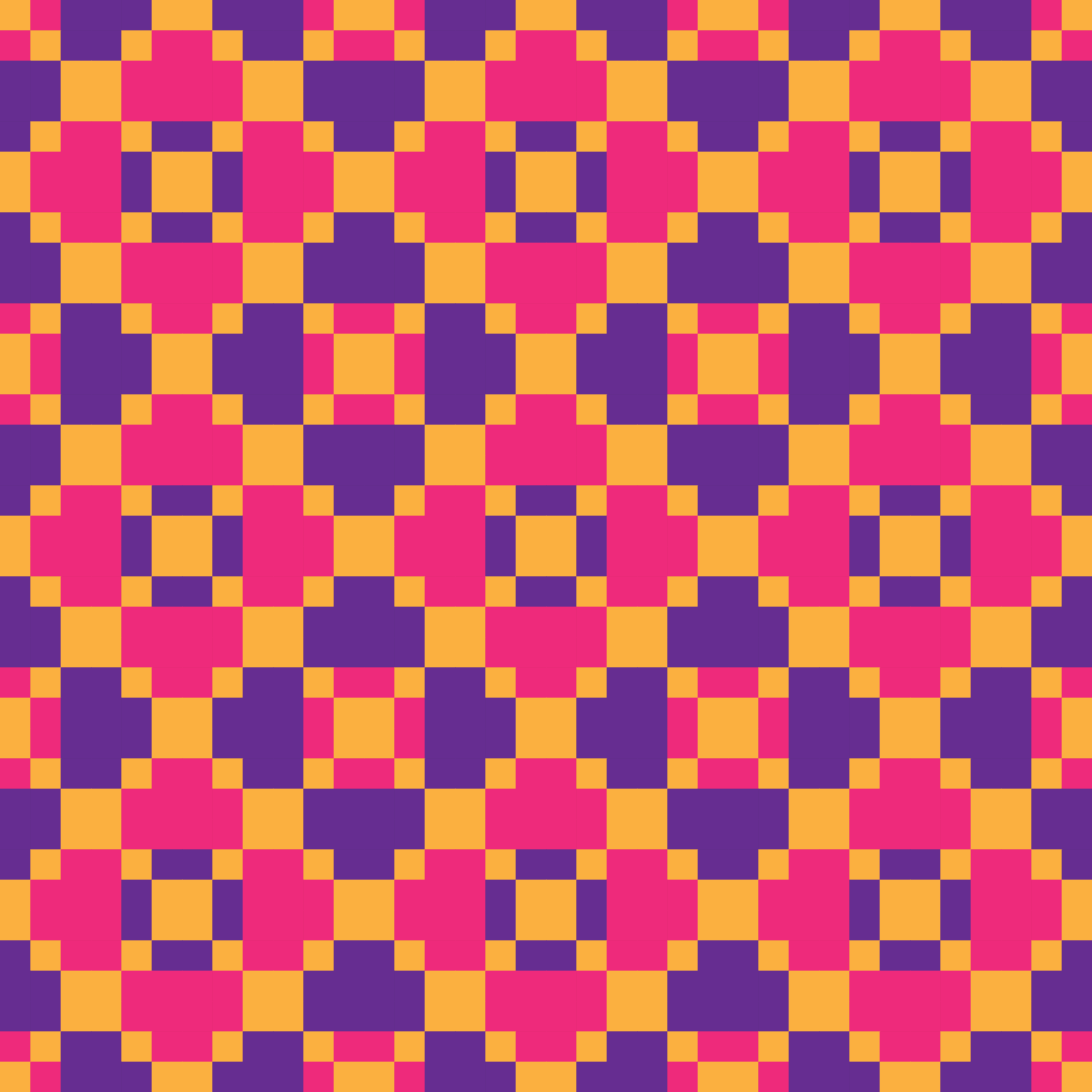 Pair of two — YIN mutant + YANG mutant
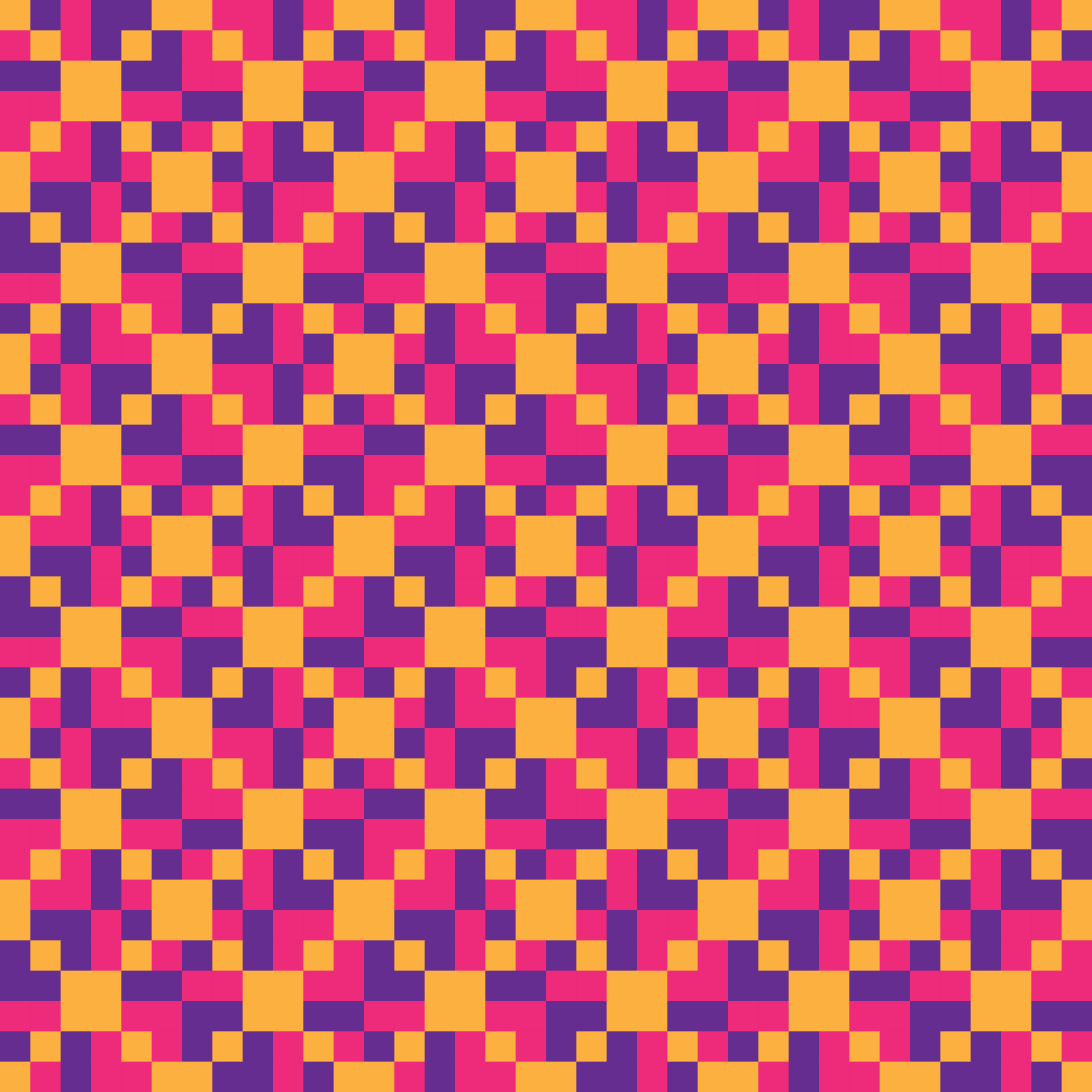 Pair of two — YIN + YANG
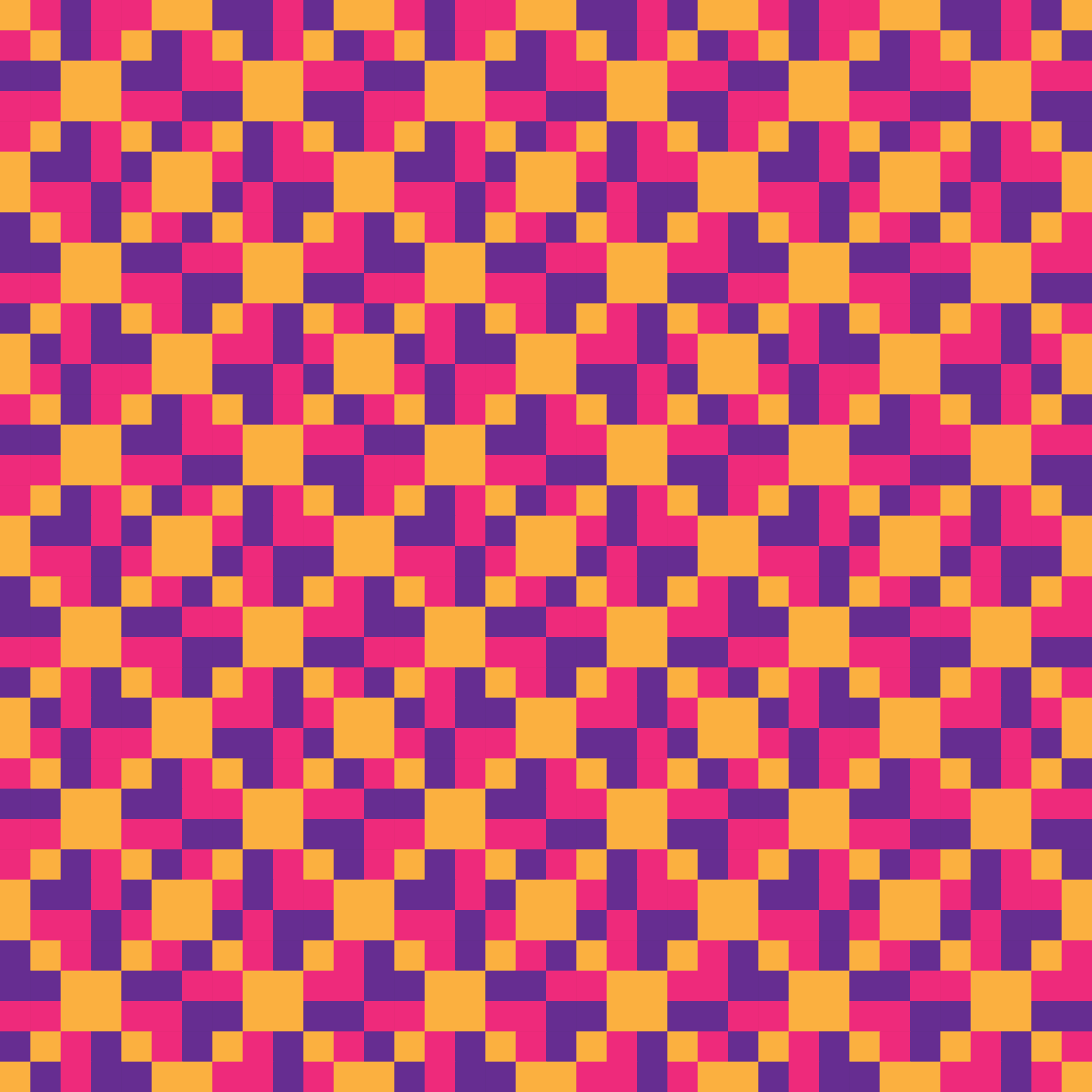 Pair of two — YIN + YANG mutant
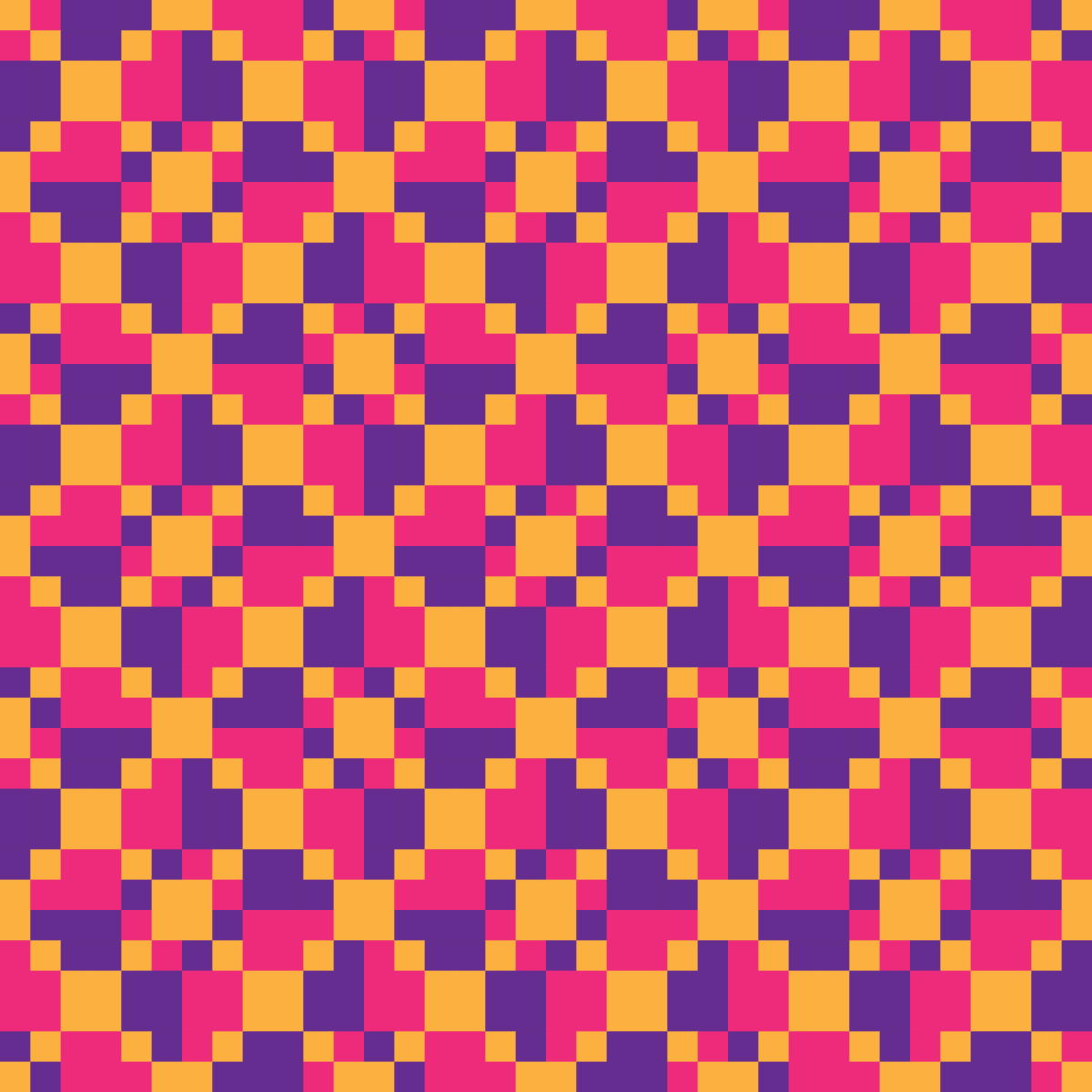 Triple — without YANG
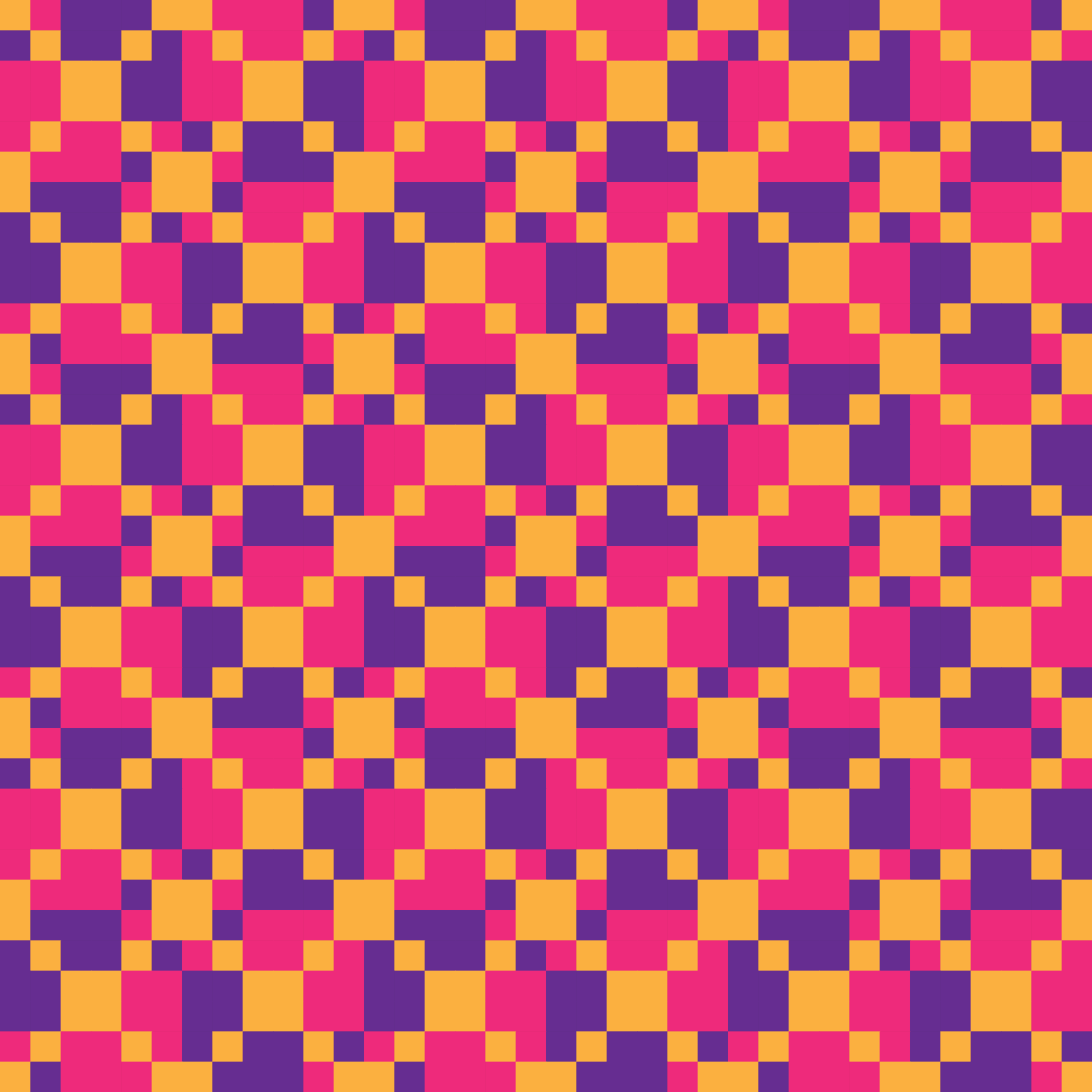 Triple — without YANG mutant
Neighbouring hexagrams
56 — Pi, Standstill · 58 — Song, Conflict
Hexagrams sharing a trigram
Same upper trigram (☰ Qian): 56 — Pi, Standstill · 58 — Song, Conflict · 59 — Lu, Treading · 60 — Dun, Retreat · 61 — Tong Ren, Fellowship with Men · 62 — Gou, Coming to Meet · 63 — Qian, The Creative
Same lower trigram (☳ Zhen): 1 — Fu, Return · 9 — Zhen, The Arousing · 17 — Zhun, Difficulty at the Beginning · 25 — Sui, Following · 33 — Yi, Nourishment · 41 — Shi He, Biting Through · 49 — Yi, Increase