Other languages: Français · Español · ไทย
Hexagram 59 — Lu, Treading
Chronological no. 59 (binary-weight order) · King Wen no. (traditional) 10 · 履
By Anibal Edelberto Amiot — Updated October 1, 2026
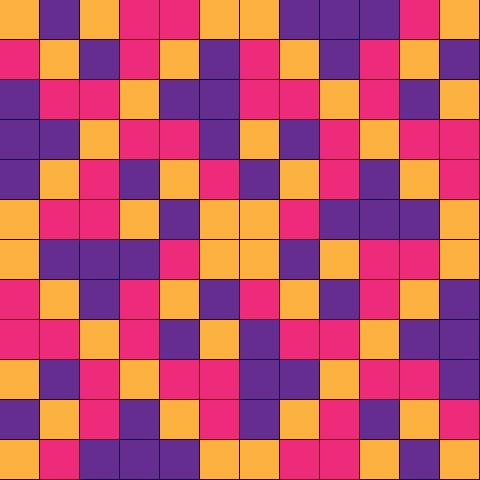
the father
the youngest daughter
Above, Heaven; below, the Lake: the image of treading. Each thing keeps its proper place — heaven remains above, the lake below — and it is this respected order that makes walking possible without danger. This is the figure of the right distance, one that allows advance even near what could bite. Thus the noble one distinguishes high from low, and steadies the resolve of the people: each step placed with discernment, even upon the tiger's tail, becomes a safe step.
Every step placed upon the tiger's tail without wavering. Danger is not always to be avoided — sometimes it must be crossed, provided one walks through it with total attention, without a single misstep. This line says that caution is not fear: it is that exact concentration which allows one to advance where carelessness would be fatal.
The six lines
At the base of the earth, fullness stirs: the yang onset that carried the whole figure now yields its place.
The steadied earth reaches its limit: the solidity that upheld the structure is about to change its nature.
At the threshold between earth and man, suppleness gathers weight: what once yielded by nature is about to harden.
In the action of man, fullness meets its limit: the initiative that led the figure folds back upon itself.
At the sage's seat, fullness hollows out: the force that governed the figure from its center is about to invert.
At the summit, fullness completes its course and breaks: what had culminated cannot go further without turning back.
Source: La Livrée d'Hermès, Anibal Amiot — chapter 7.1 (pp. 63–68). French version of this page.
For the notions used here — magic square, layer and casting, the Yi Jing — see the project lexicon.
The patterns of this hexagram
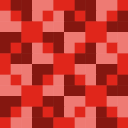
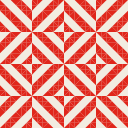
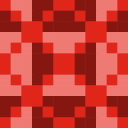
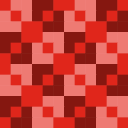
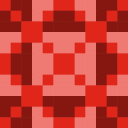
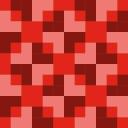
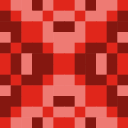
This hexagram is the binary complement of hexagram 4 — Qian, Modesty (63 − 59 = 4): its patterns have exactly the same shape, only their colours are permuted. Here are the eight patterns of hexagram 4, one for each admissible family.
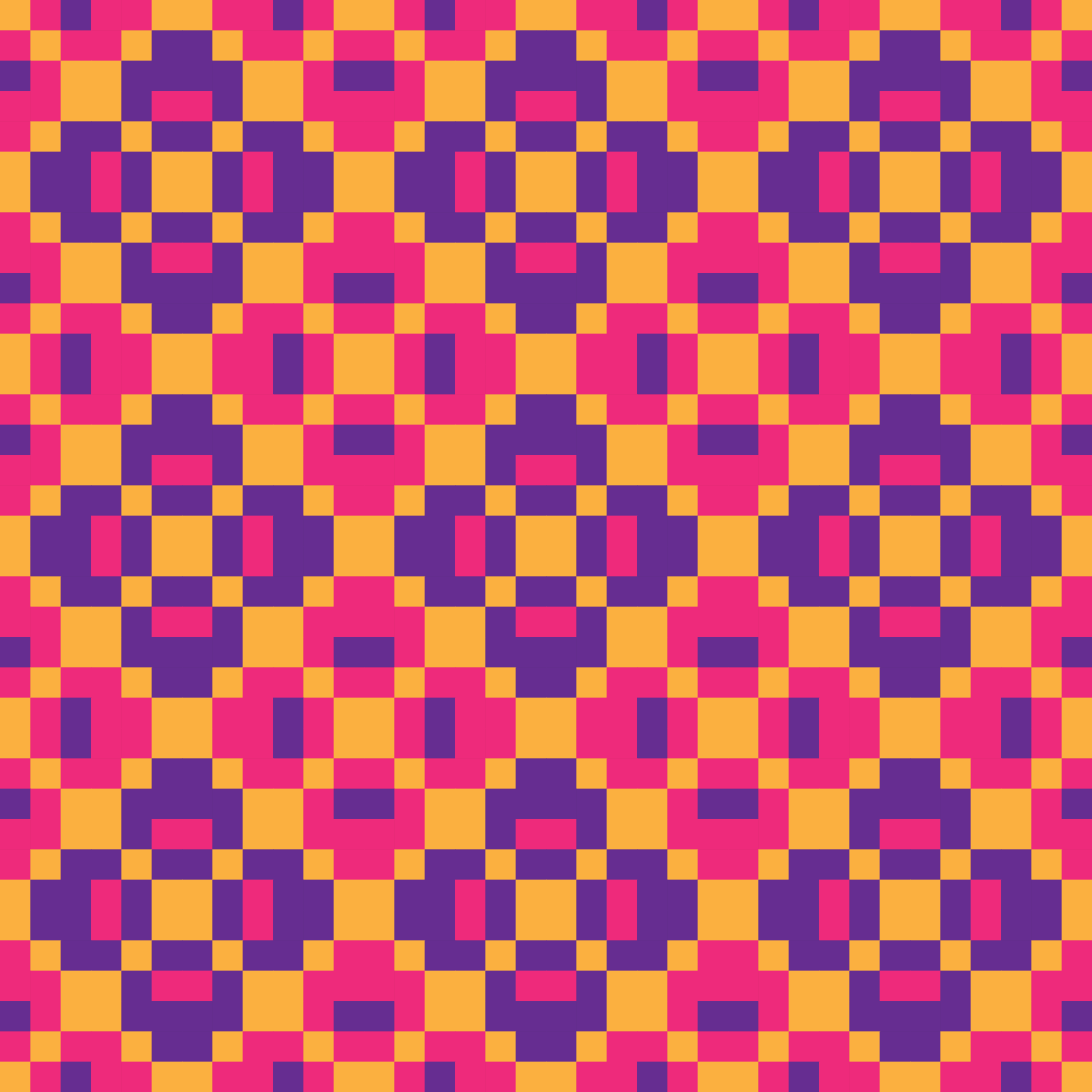 Bases — YANG mutant
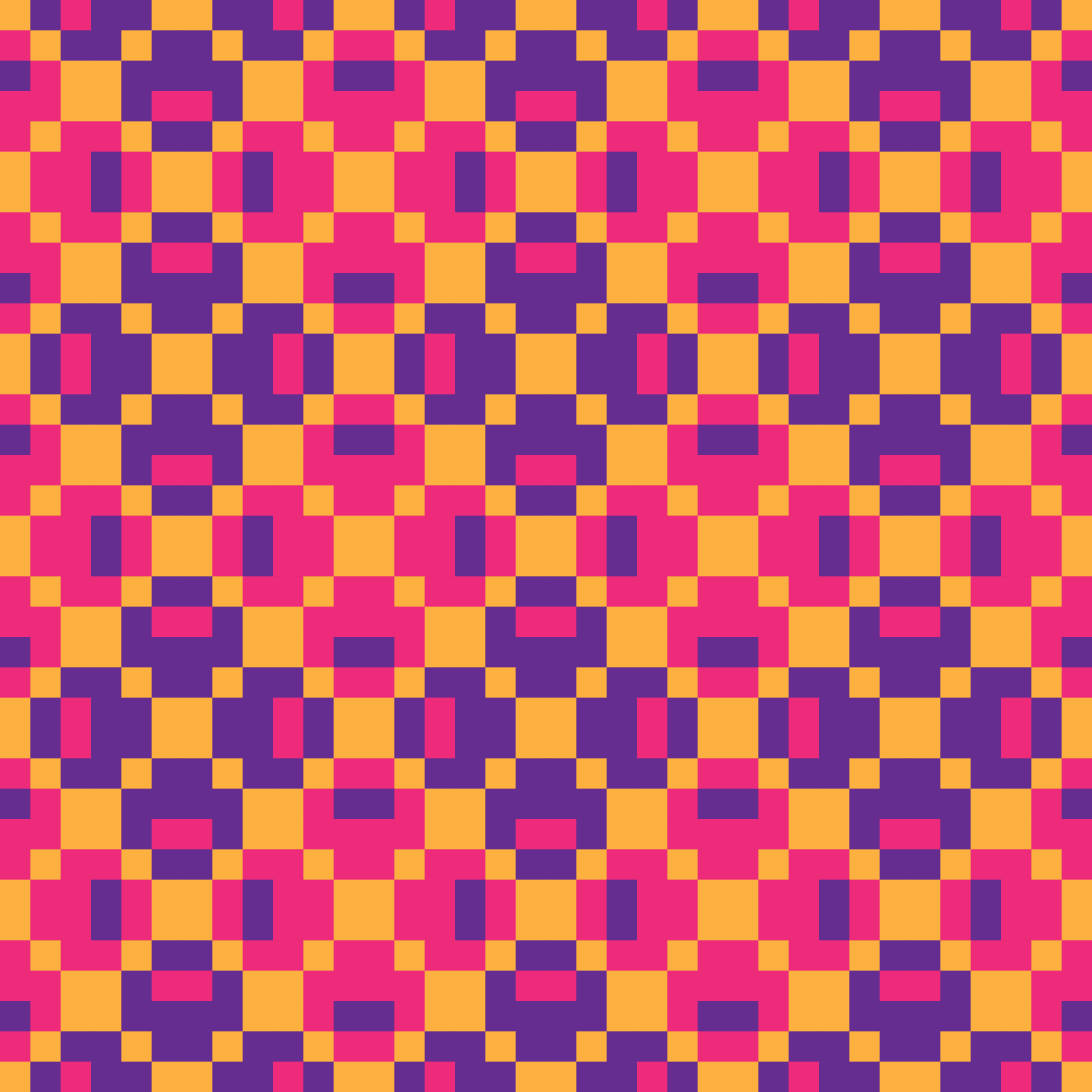 Bases — YANG
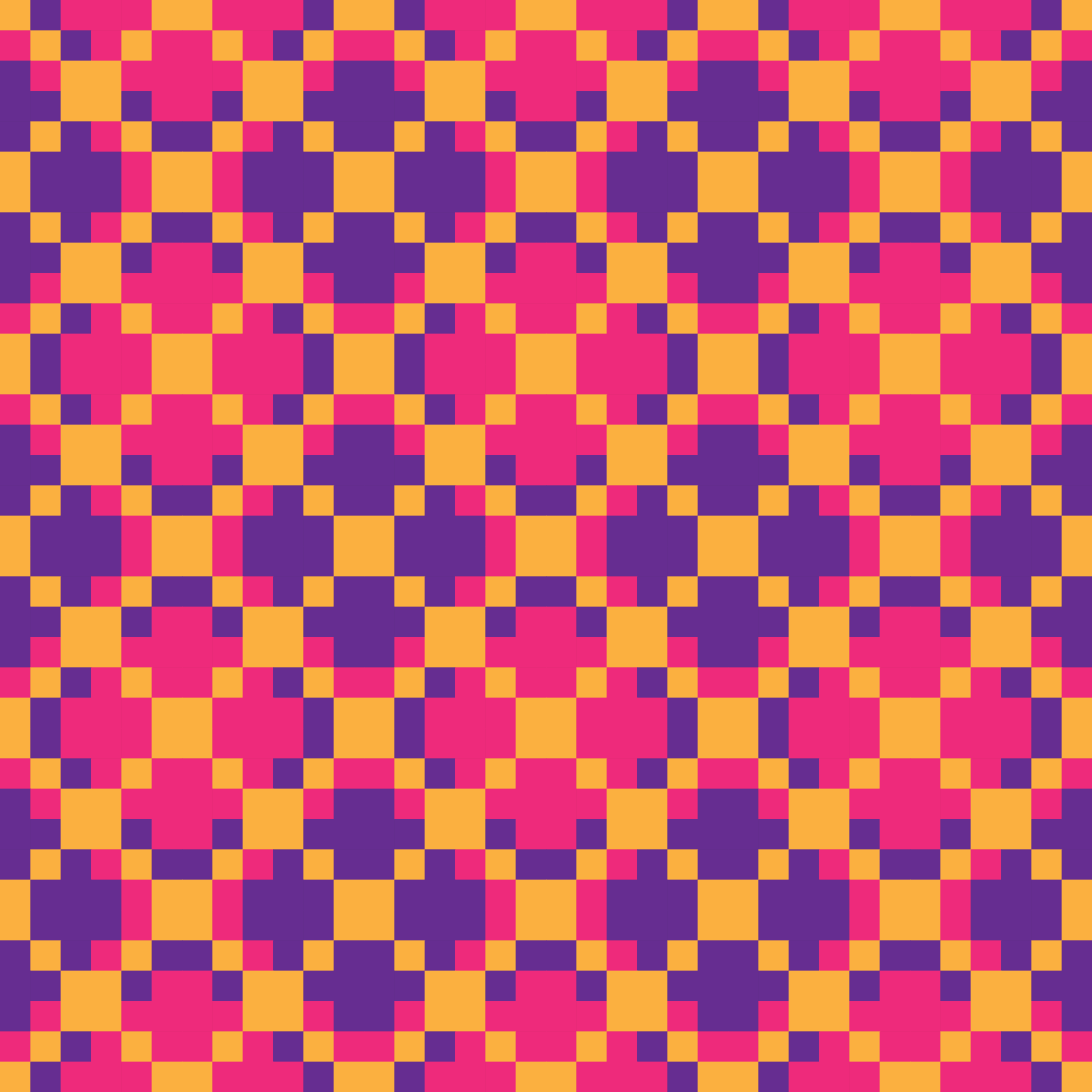 Pair of two — YANG + YIN mutant
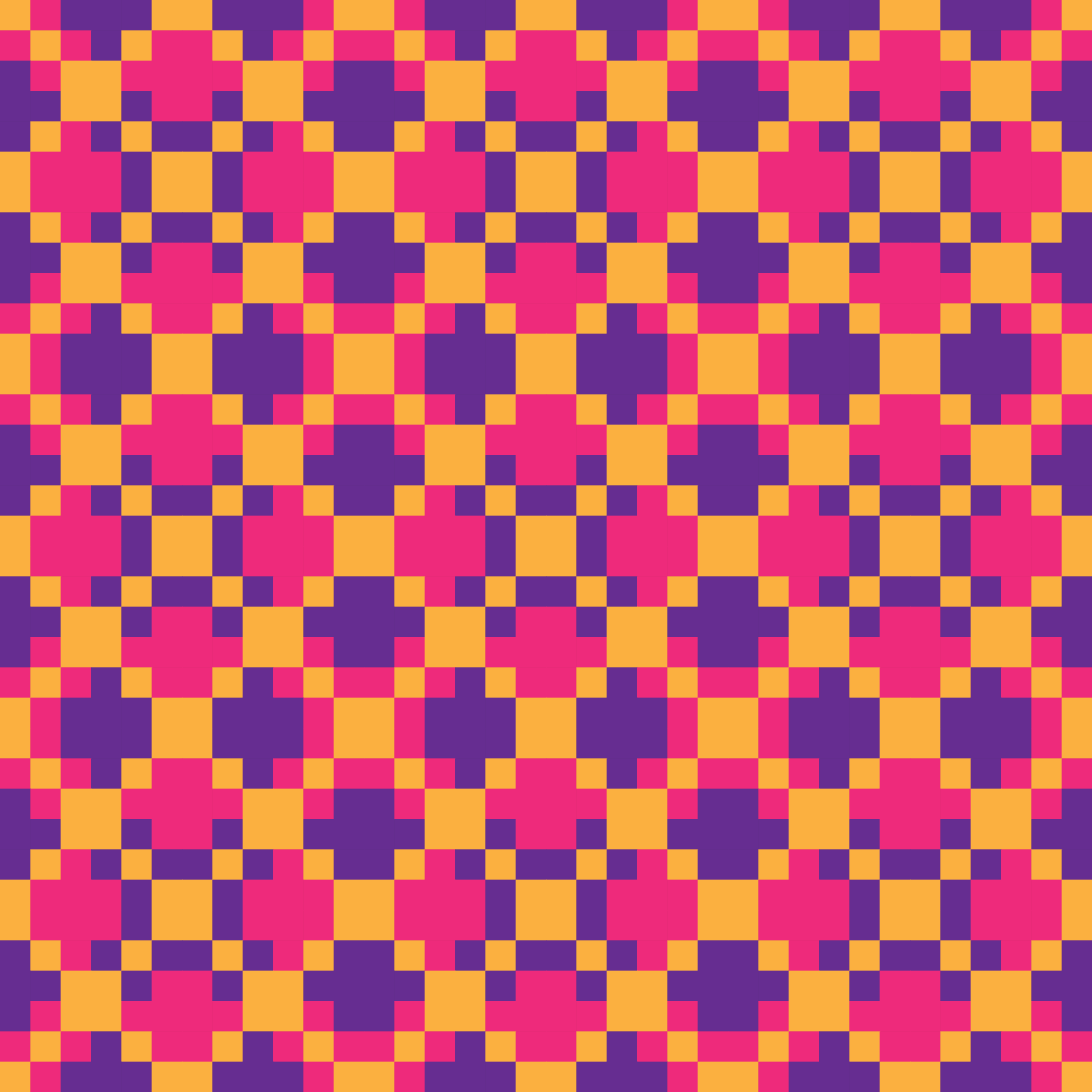 Pair of two — YIN mutant + YANG mutant
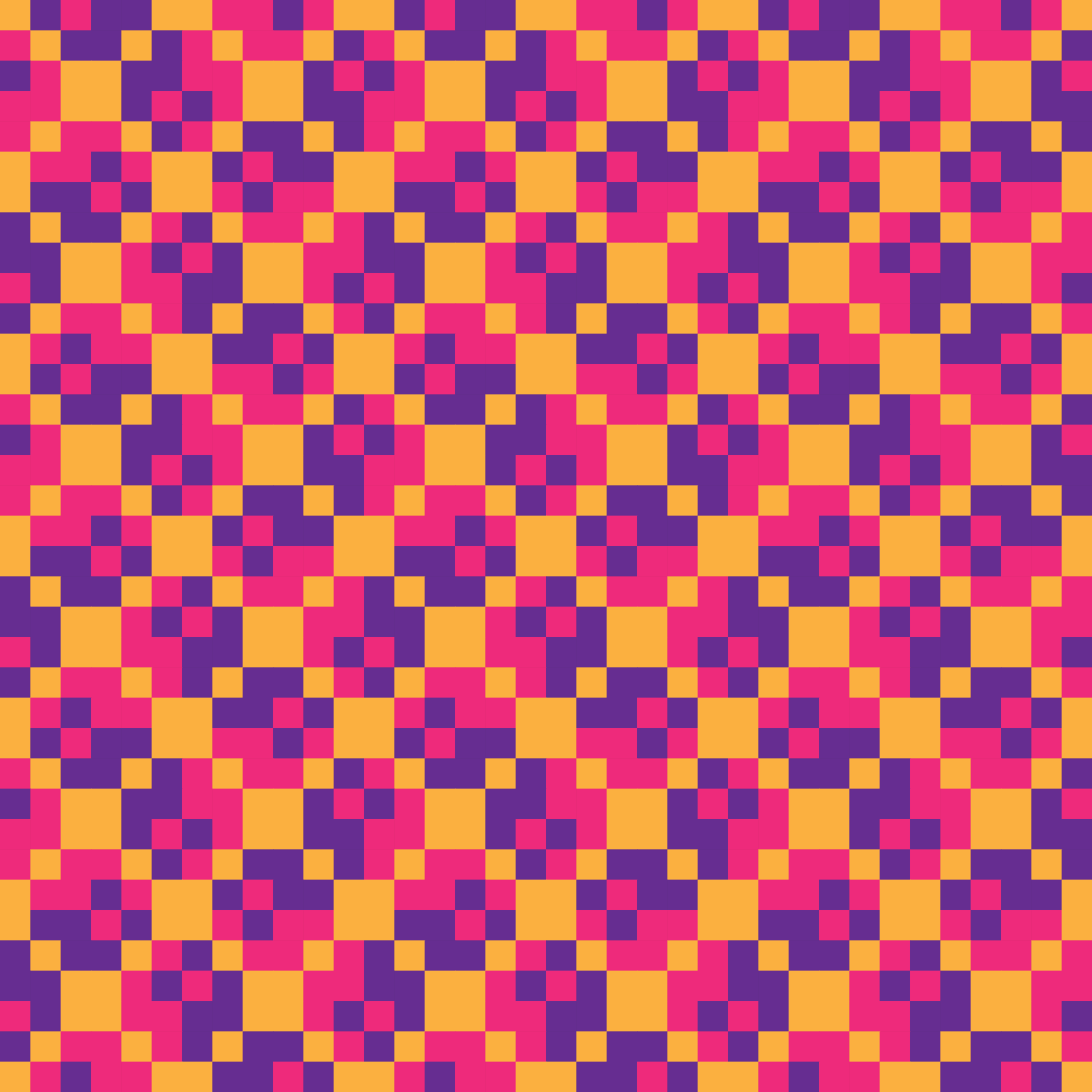 Pair of two — YIN + YANG
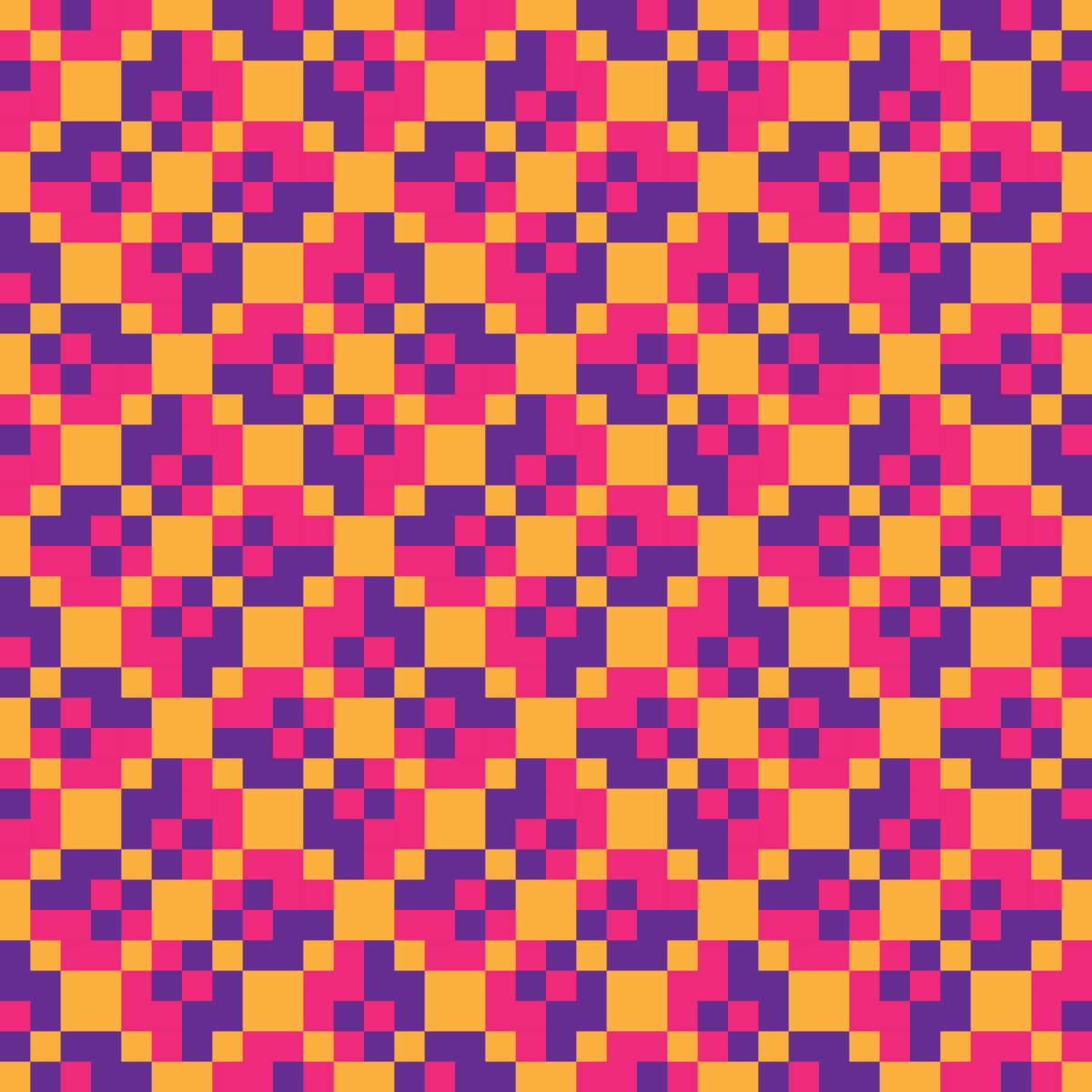 Pair of two — YIN + YANG mutant
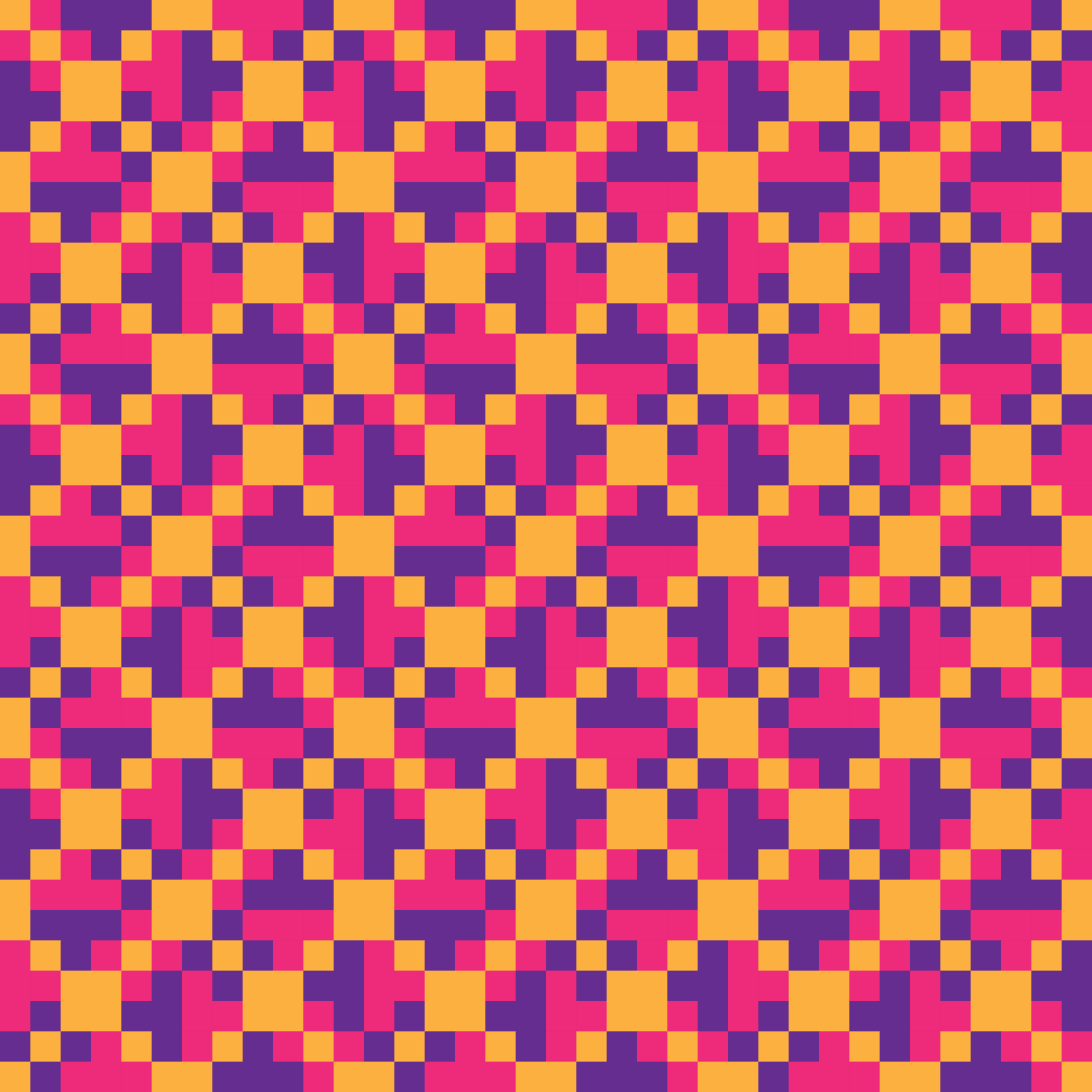 Triple — without YANG
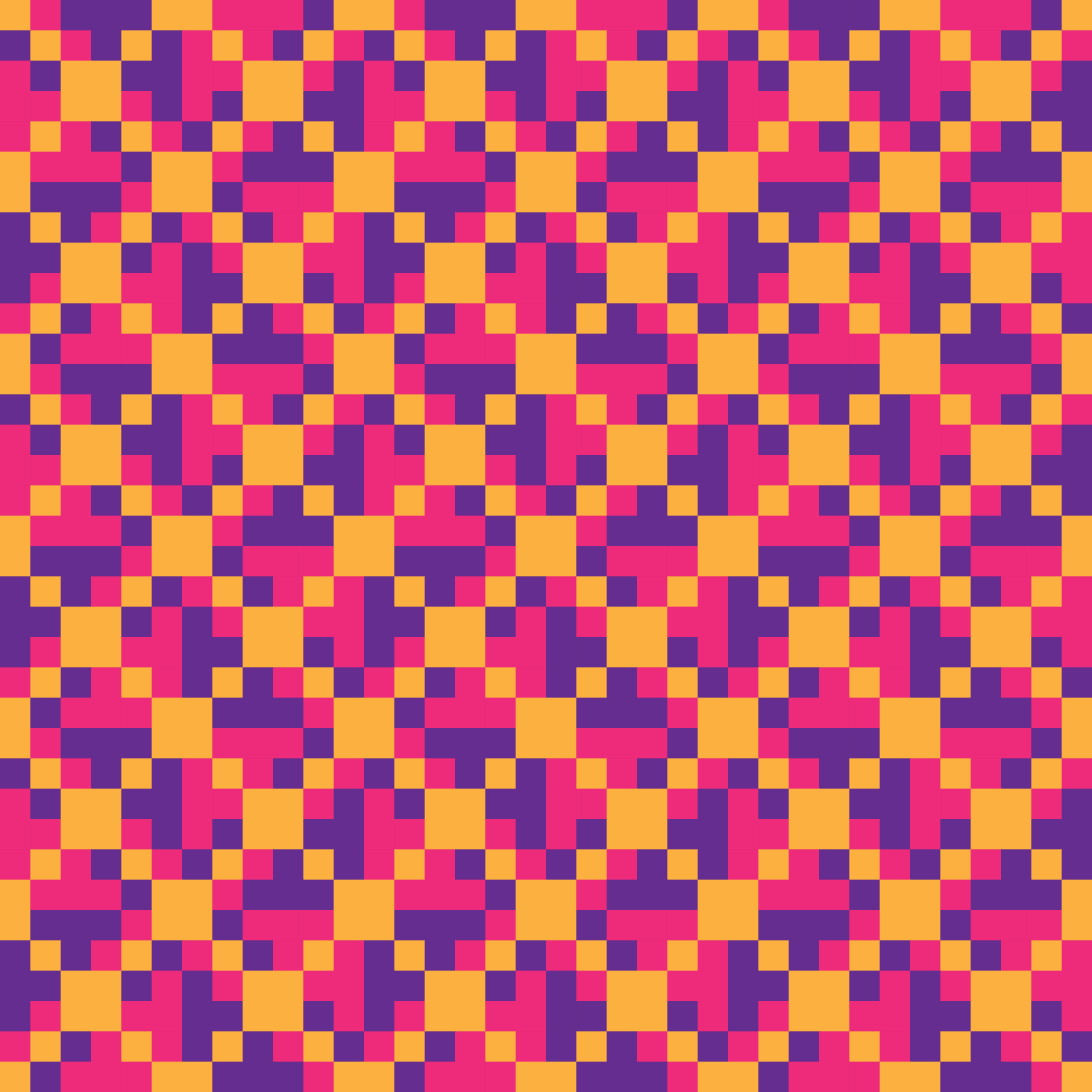 Triple — without YANG mutant
Neighbouring hexagrams
58 — Song, Conflict · 60 — Dun, Retreat
Hexagrams sharing a trigram
Same upper trigram (☰ Qian): 56 — Pi, Standstill · 57 — Wu Wang, Innocence · 58 — Song, Conflict · 60 — Dun, Retreat · 61 — Tong Ren, Fellowship with Men · 62 — Gou, Coming to Meet · 63 — Qian, The Creative
Same lower trigram (☱ Dui): 3 — Lin, Approach · 11 — Gui Mei, The Marrying Maiden · 19 — Jie, Limitation · 27 — Dui, The Joyous · 35 — Sun, Decrease · 43 — Kui, Opposition · 51 — Zhong Fu, Inner Truth