Other languages: Français · Español · ไทย
Hexagram 56 — Pi, Standstill
Chronological no. 56 (binary-weight order) · King Wen no. (traditional) 12 · 否
By Anibal Edelberto Amiot — Updated October 1, 2026
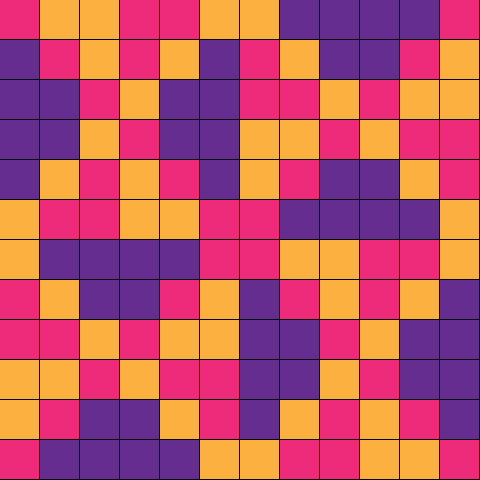
the father
the mother
Heaven and Earth do not communicate: the image of standstill. What is above stays above, what is below stays below, and nothing circulates between them any longer — each closes in on its own nature. This is the figure of sterile rupture, where even the mightiest forces exhaust themselves for lack of exchange. Thus the noble one withdraws into his own virtue to escape danger: when the time no longer allows fruitful action, wisdom consists in preserving what is essential rather than wearing oneself out against a wall.
When communication is severed by the system's refusal. This is not a passing accident but a structural block: the forces that should answer each other have each frozen in their own refusal. This line says that there are moments when nothing is gained by forcing the passage — one must wait for conditions themselves to shift, or withdraw without losing one's virtue in a vain struggle.
The six lines
At the base of the earth, emptiness closes over: what was still an opening begins to fill.
The receptive earth reaches its fullness: the silent welcome that carried the lower figure is about to assert itself.
At the threshold between earth and man, suppleness gathers weight: what once yielded by nature is about to harden.
In the action of man, fullness meets its limit: the initiative that led the figure folds back upon itself.
At the sage's seat, fullness hollows out: the force that governed the figure from its center is about to invert.
At the summit, fullness completes its course and breaks: what had culminated cannot go further without turning back.
Source: La Livrée d'Hermès, Anibal Amiot — chapter 7.1 (pp. 63–68). French version of this page.
For the notions used here — magic square, layer and casting, the Yi Jing — see the project lexicon.
The patterns of this hexagram
This hexagram is the binary complement of hexagram 7 — Tai, Peace (63 − 56 = 7): its patterns have exactly the same shape, only their colours are permuted. Here are the eight patterns of hexagram 7, one for each admissible family.
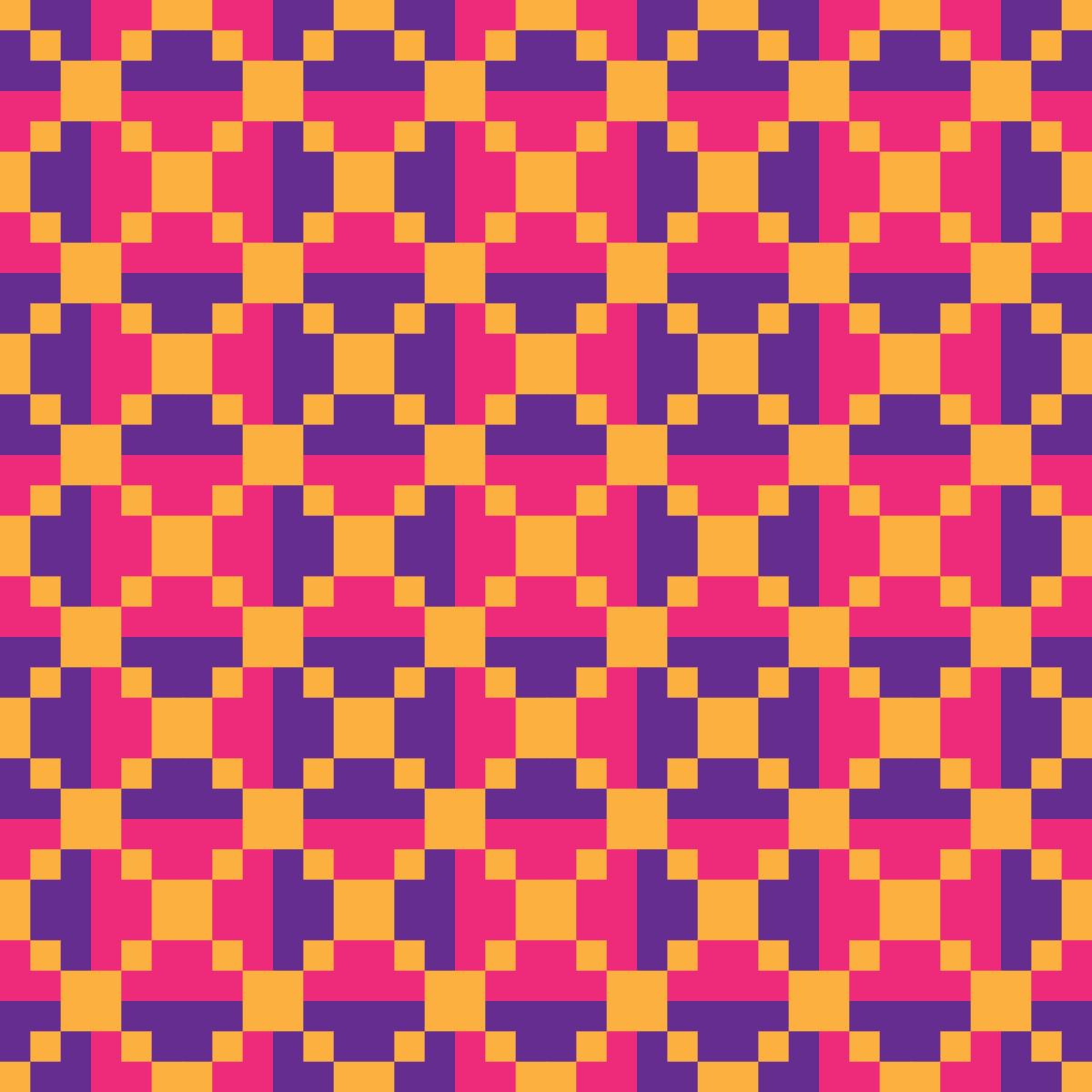 Bases — YANG mutant
 Bases — YANG
 Pair of two — YANG + YIN mutant
 Pair of two — YIN mutant + YANG mutant
 Pair of two — YIN + YANG
 Pair of two — YIN + YANG mutant
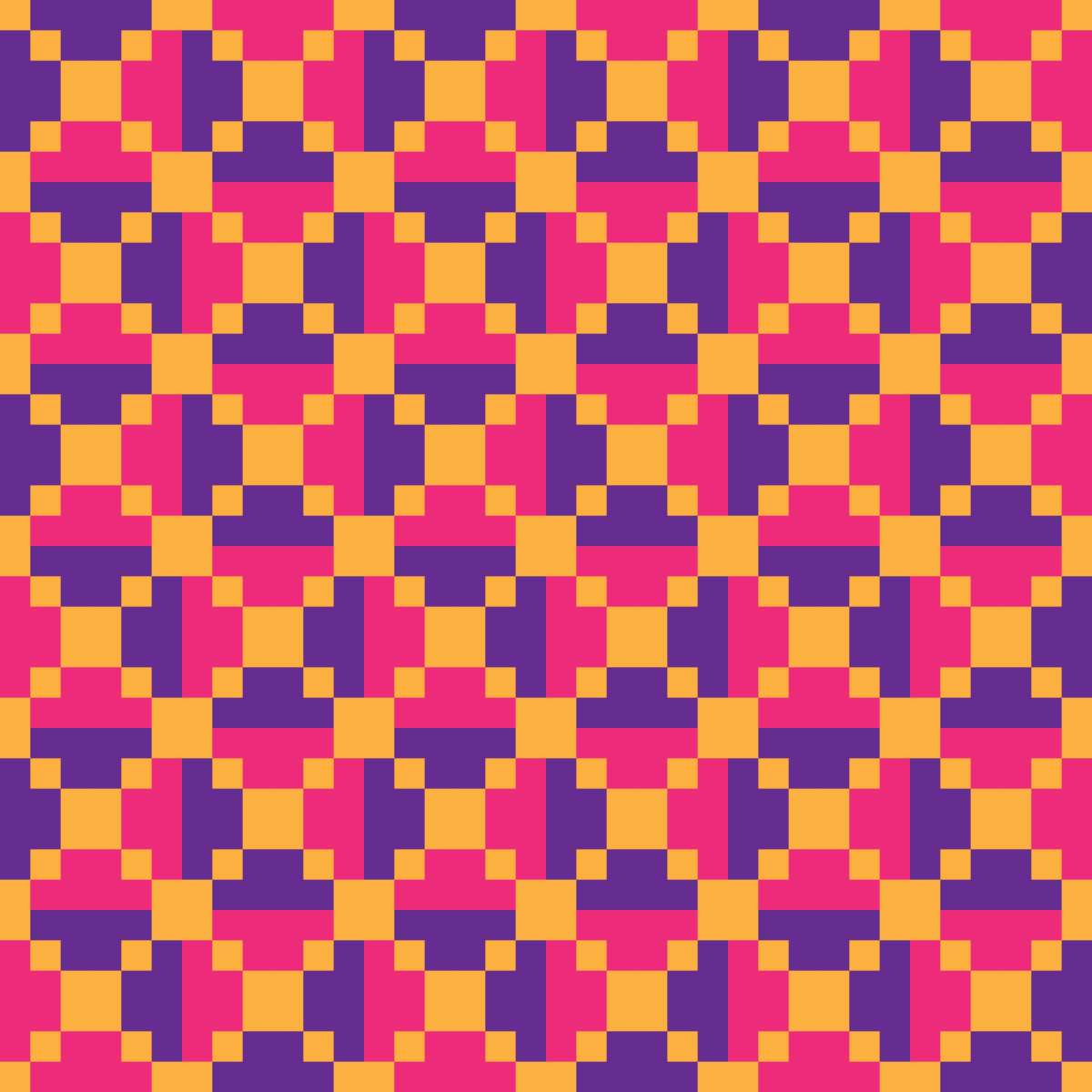 Triple — without YANG
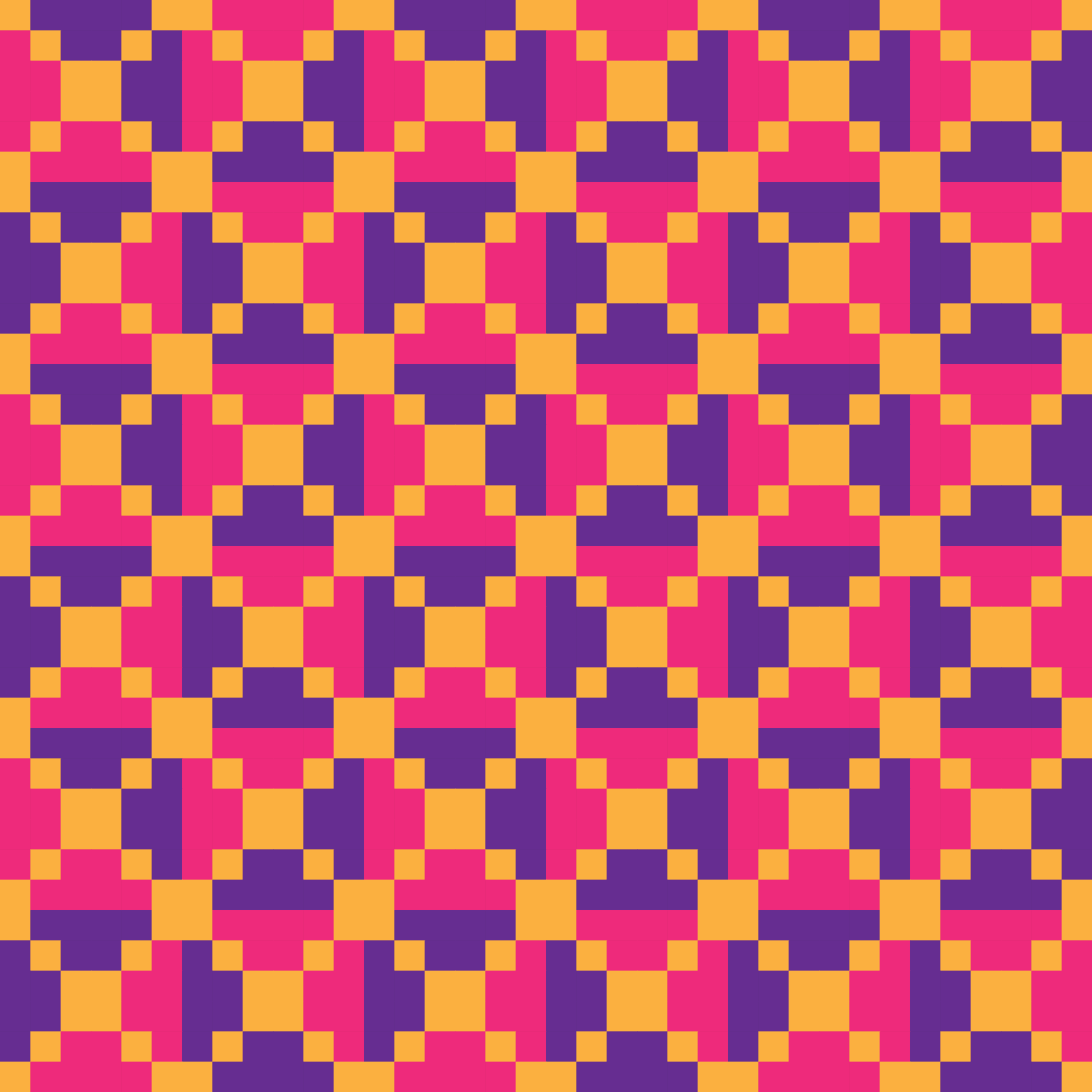 Triple — without YANG mutant
Neighbouring hexagrams
55 — Xiao Chu, The Taming Power of the Small · 57 — Wu Wang, Innocence
Hexagrams sharing a trigram
Same upper trigram (☰ Qian): 57 — Wu Wang, Innocence · 58 — Song, Conflict · 59 — Lu, Treading · 60 — Dun, Retreat · 61 — Tong Ren, Fellowship with Men · 62 — Gou, Coming to Meet · 63 — Qian, The Creative
Same lower trigram (☷ Kun): 0 — Kun, The Receptive · 8 — Yu, Enthusiasm · 16 — Bi, Holding Together · 24 — Cui, Gathering Together · 32 — Bo, Splitting Apart · 40 — Jin, Progress · 48 — Guan, Contemplation