Other languages: Français · Español · ไทย
Hexagram 44 — Lu, The Wanderer
Chronological no. 44 (binary-weight order) · King Wen no. (traditional) 56 · 旅
By Anibal Edelberto Amiot — Updated October 1, 2026
the middle daughter
the youngest son
On the mountain, Fire: the image of the wanderer. Flame moves along the slope, lingering nowhere, consuming what presents itself without ever taking root in one place. This is the figure of one with neither hearth nor fixed abode. Thus the noble one applies punishment with clarity and caution, letting no case drag on: without lasting attachments, all the more rigor is needed not to lose one's way along the journey.
With neither hearth nor home, the livery stands in for the house. When a dwelling is lacking, it is the garment, the bearing, the conduct that must take its place — a dignity no longer dependent on place but on manner of being. This line says the most solid identity is the one carried with oneself, independent of any outer anchor.
The six lines
At the base of the earth, emptiness closes over: what was still an opening begins to fill.
The receptive earth reaches its fullness: the silent welcome that carried the lower figure is about to assert itself.
At the threshold between earth and man, force wavers: what acted through firmness hesitates before turning.
In the action of man, fullness meets its limit: the initiative that led the figure folds back upon itself.
At the sage's seat, emptiness fills: the suppleness that governed with discretion gathers a new force.
At the summit, fullness completes its course and breaks: what had culminated cannot go further without turning back.
Source: La Livrée d'Hermès, Anibal Amiot — chapter 7.1 (pp. 63–68). French version of this page.
For the notions used here — magic square, layer and casting, the Yi Jing — see the project lexicon.
The patterns of this hexagram
This hexagram is the binary complement of hexagram 19 — Jie, Limitation (63 − 44 = 19): its patterns have exactly the same shape, only their colours are permuted. Here are the eight patterns of hexagram 19, one for each admissible family.
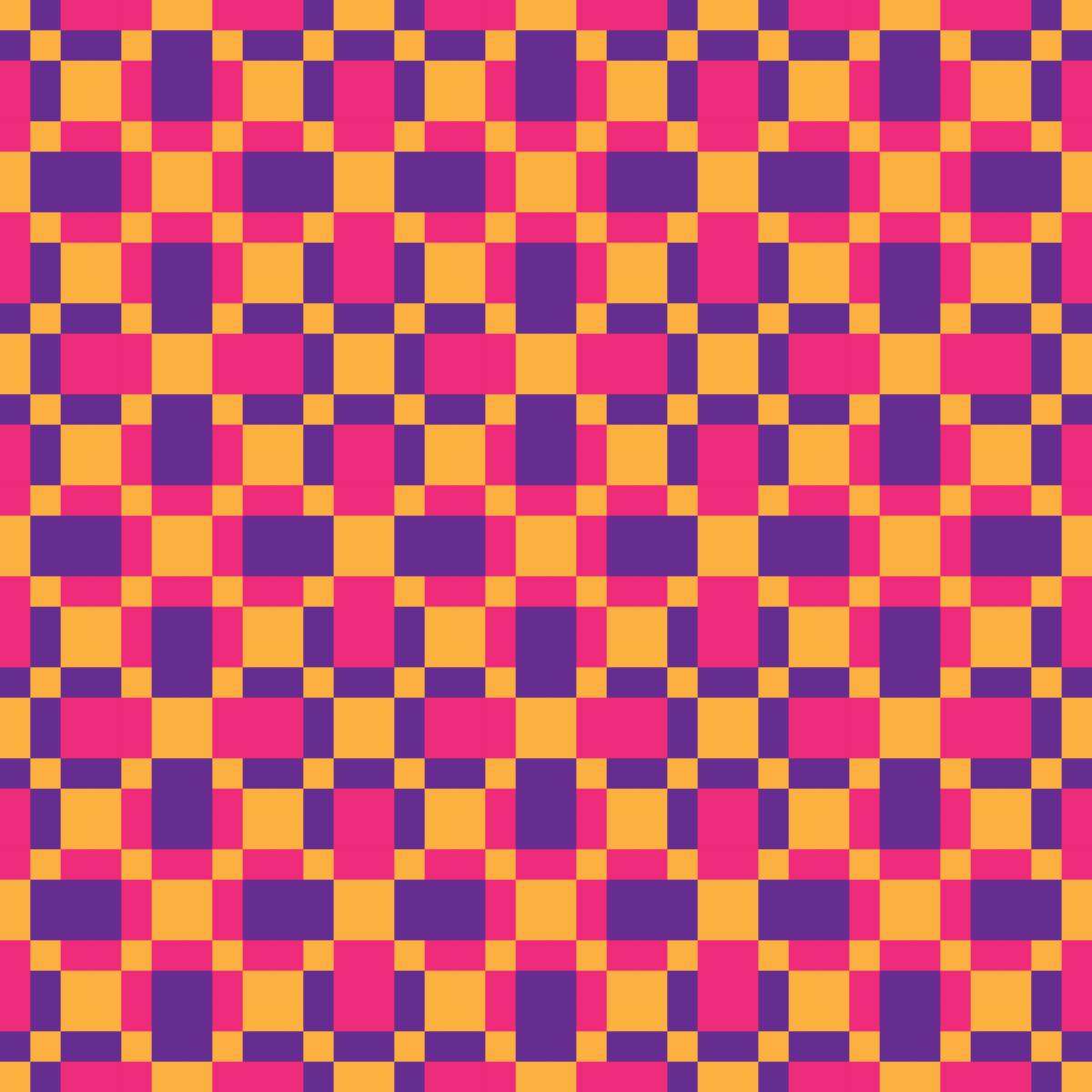 Bases — YANG mutant
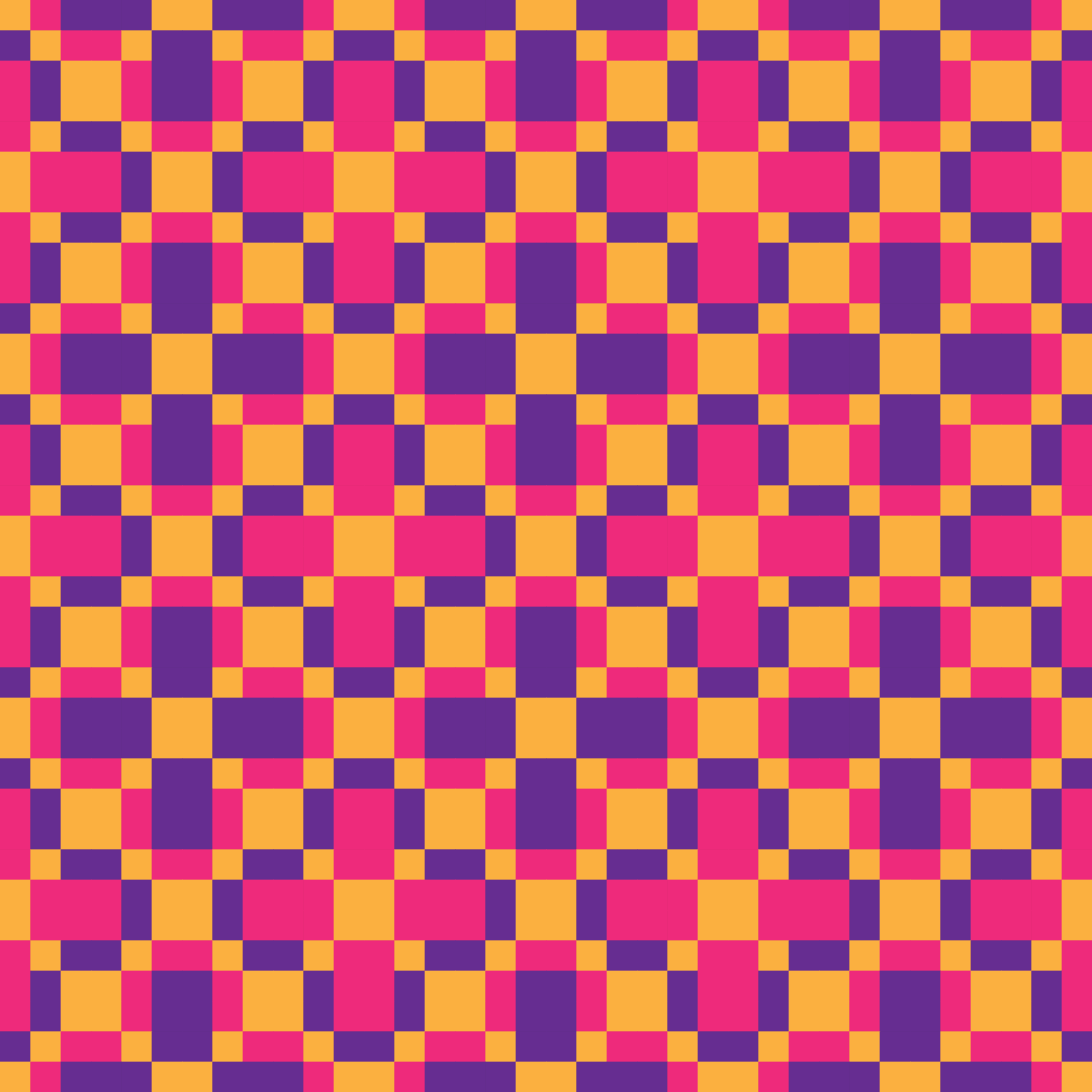 Bases — YANG
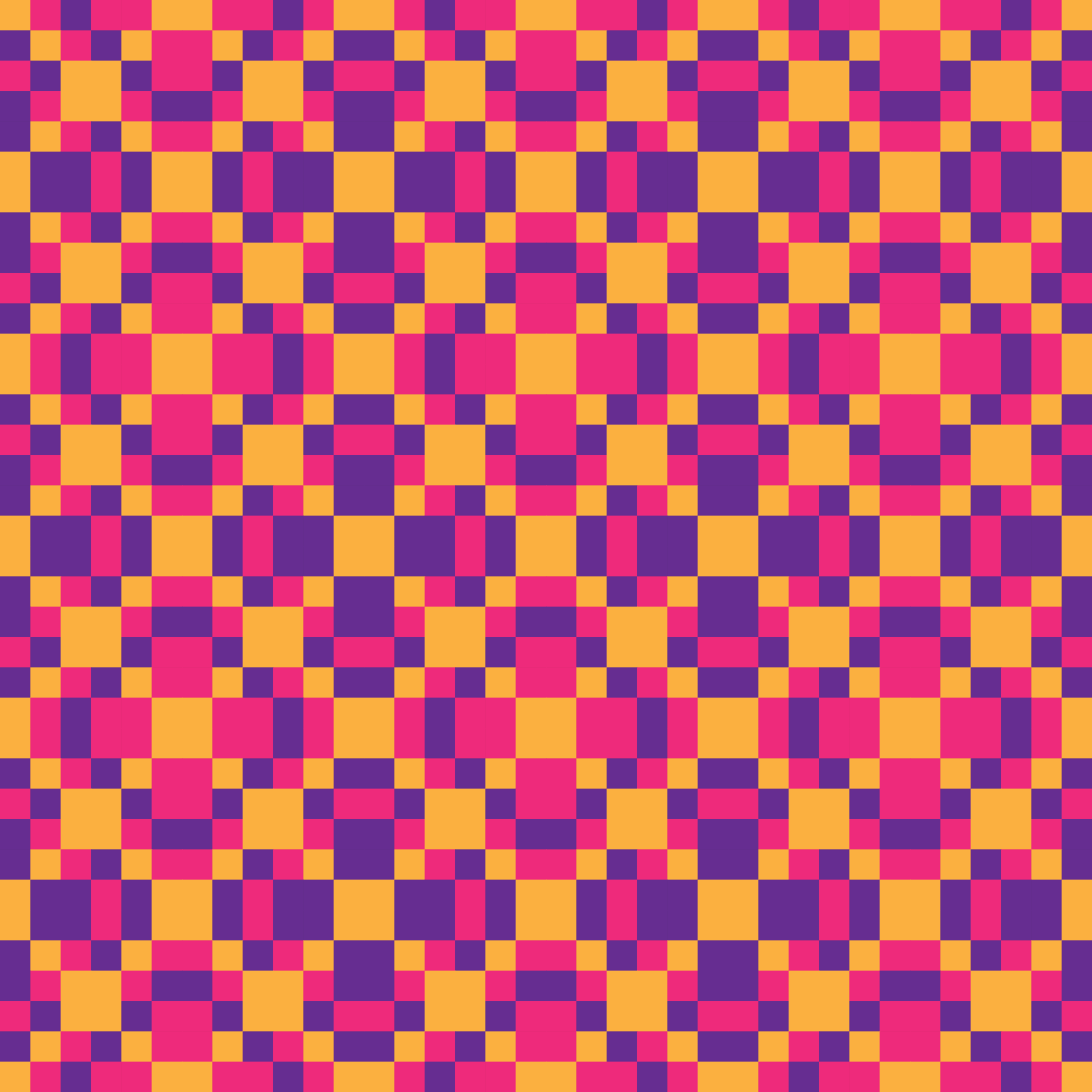 Pair of two — YANG + YIN mutant
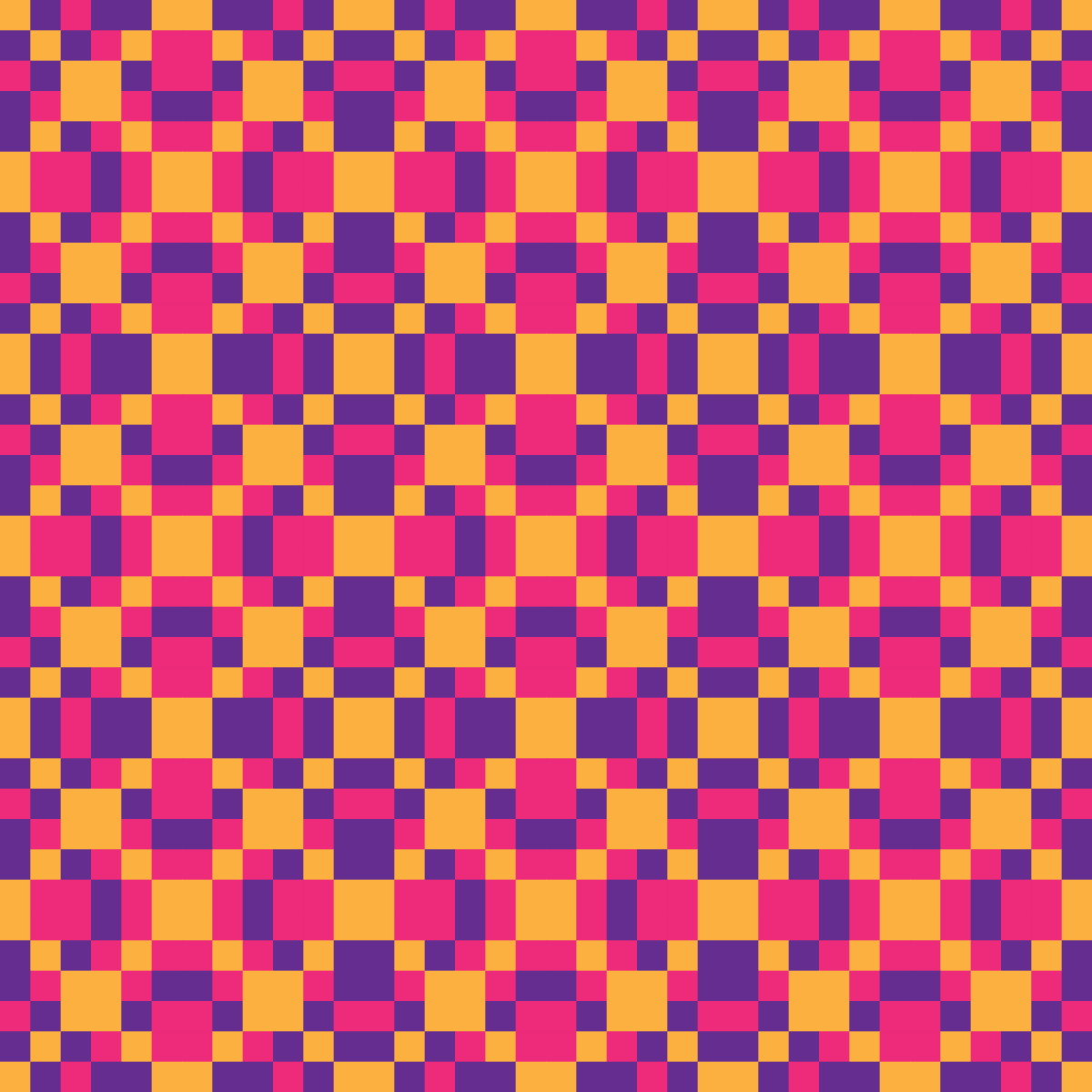 Pair of two — YIN mutant + YANG mutant
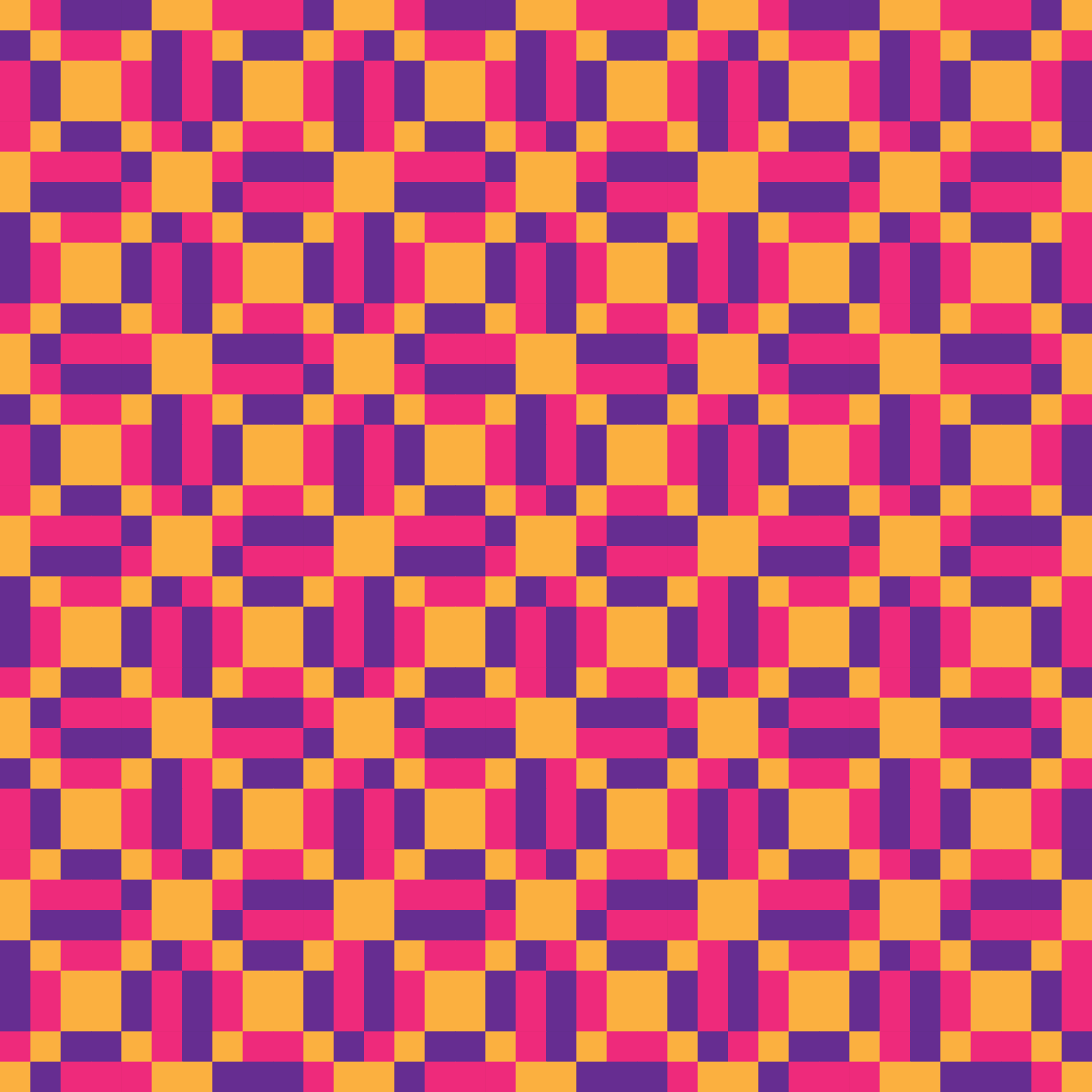 Pair of two — YIN + YANG
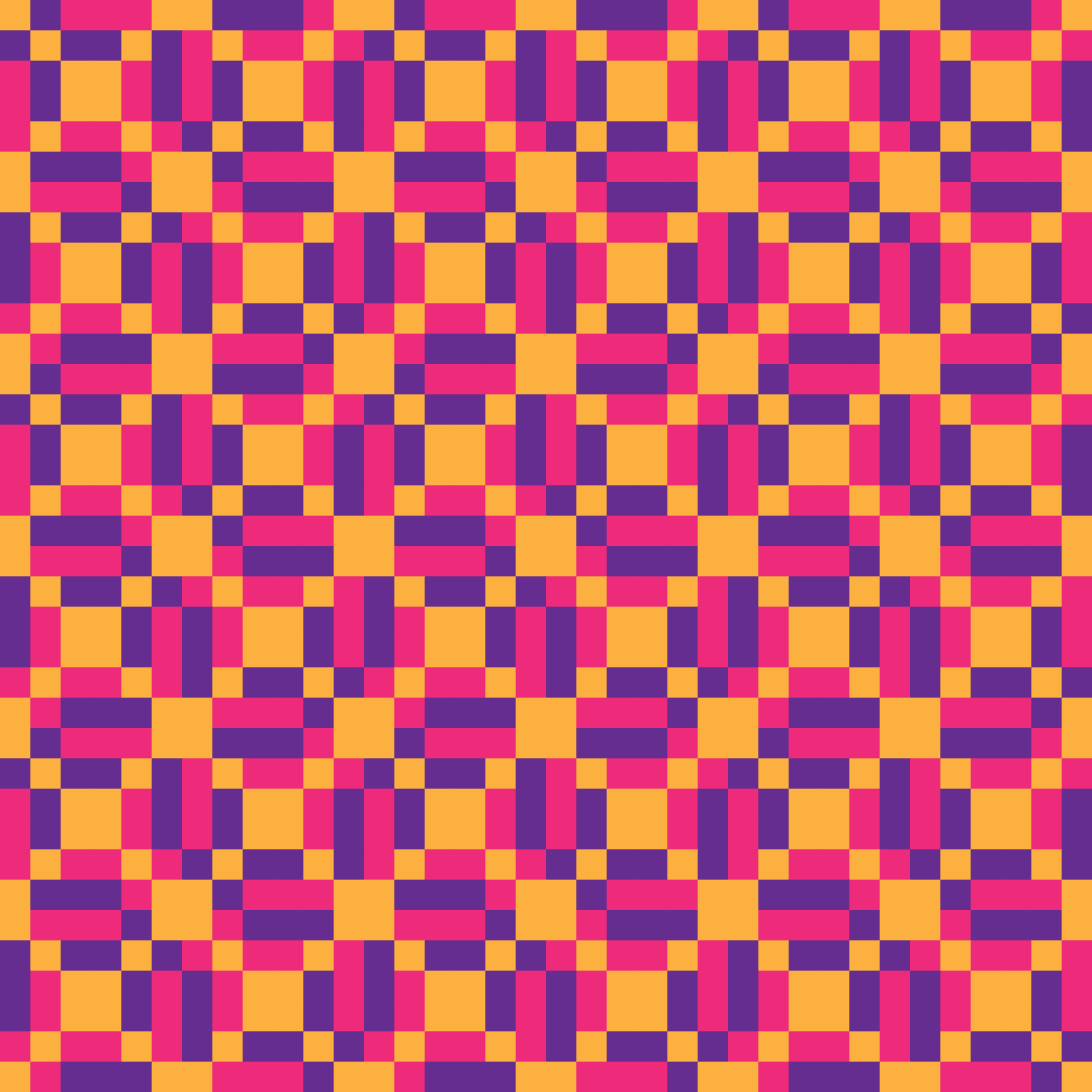 Pair of two — YIN + YANG mutant
 Triple — without YANG
 Triple — without YANG mutant
Neighbouring hexagrams
43 — Kui, Opposition · 45 — Li, That Which Clings, Fire
Hexagrams sharing a trigram
Same upper trigram (☲ Li): 40 — Jin, Progress · 41 — Shi He, Biting Through · 42 — Wei Ji, Before Completion · 43 — Kui, Opposition · 45 — Li, That Which Clings, Fire · 46 — Ding, The Cauldron · 47 — Da You, Possession in Great Measure
Same lower trigram (☶ Gen): 4 — Qian, Modesty · 12 — Xiao Guo, Preponderance of the Small · 20 — Jian, Obstruction · 28 — Xian, Influence · 36 — Gen, Keeping Still · 52 — Jian, Development · 60 — Dun, Retreat