Other languages: Français · Español · ไทย
Hexagram 42 — Wei Ji, Before Completion
Chronological no. 42 (binary-weight order) · King Wen no. (traditional) 64 · 未濟
By Anibal Edelberto Amiot — Updated October 1, 2026
the middle daughter
the middle son
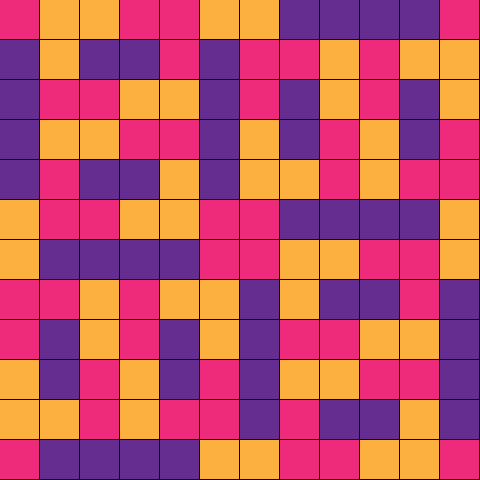
Fire above Water: the image of the unfinished. Each element sits in the position opposite to the one that would allow their full meeting — fire cannot warm the water that escapes it from above. This is the figure of disorder that still precedes the order to come. Thus the noble one carefully discerns each being and sets each one in its proper place: before everything finds its rightful place, one must first accept the clarity of present disorder, without despairing of the order yet to be born.
The passage is open but the weave is not yet woven. Nothing is yet accomplished, but nothing is impossible either: the door remains open to what, patiently, still remains to be built. This line says the unfinished is not a failure — it is the very condition of all that remains to come, the point from which the entire cycle of the 64 figures endlessly begins again.
The six lines
At the base of the earth, emptiness closes over: what was still an opening begins to fill.
The steadied earth reaches its limit: the solidity that upheld the structure is about to change its nature.
At the threshold between earth and man, suppleness gathers weight: what once yielded by nature is about to harden.
In the action of man, fullness meets its limit: the initiative that led the figure folds back upon itself.
At the sage's seat, emptiness fills: the suppleness that governed with discretion gathers a new force.
At the summit, fullness completes its course and breaks: what had culminated cannot go further without turning back.
Source: La Livrée d'Hermès, Anibal Amiot — chapter 7.1 (pp. 63–68). French version of this page.
For the notions used here — magic square, layer and casting, the Yi Jing — see the project lexicon.
The patterns of this hexagram
This hexagram is the binary complement of hexagram 21 — Ji Ji, After Completion (63 − 42 = 21): its patterns have exactly the same shape, only their colours are permuted. Here are the eight patterns of hexagram 21, one for each admissible family.
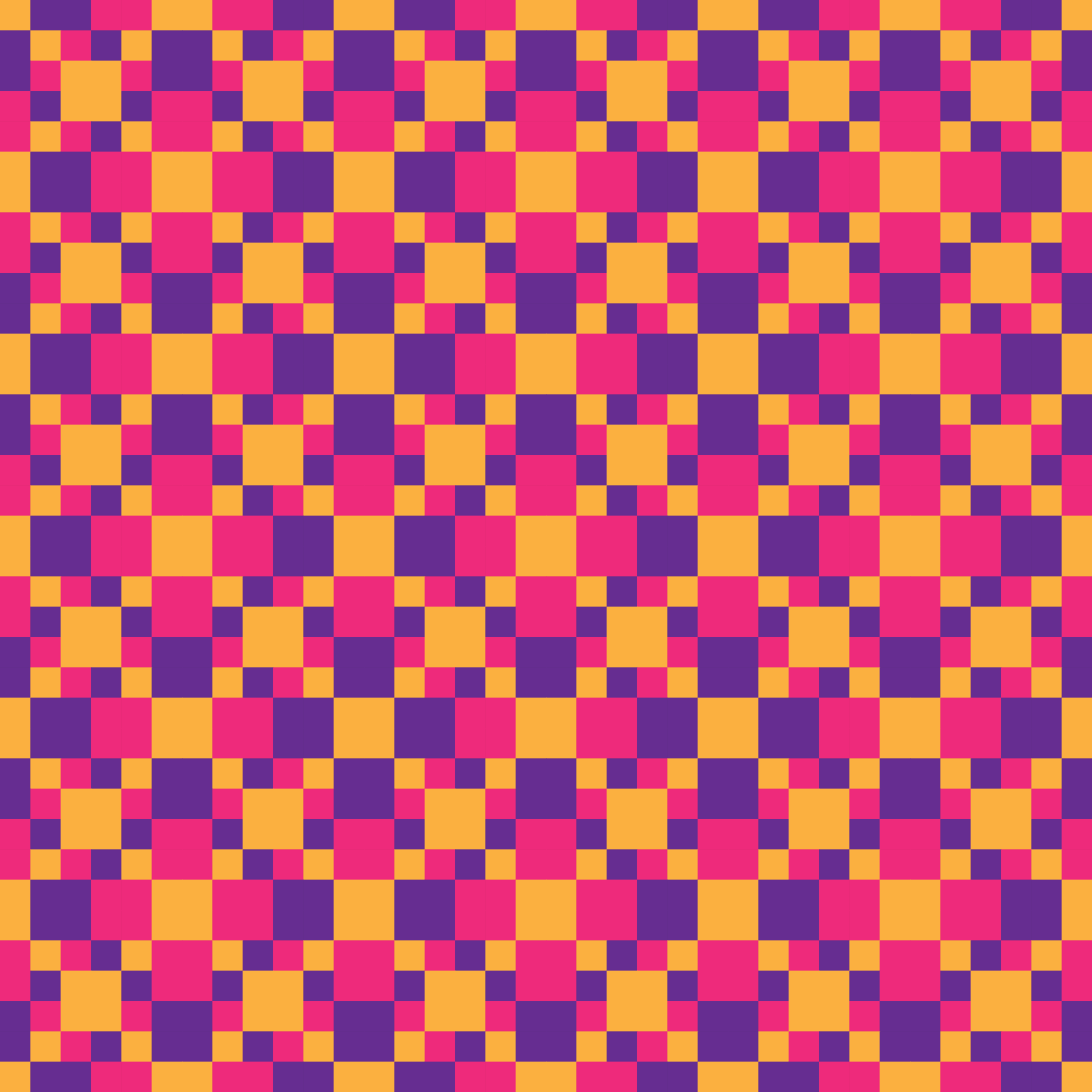 Bases — YANG mutant
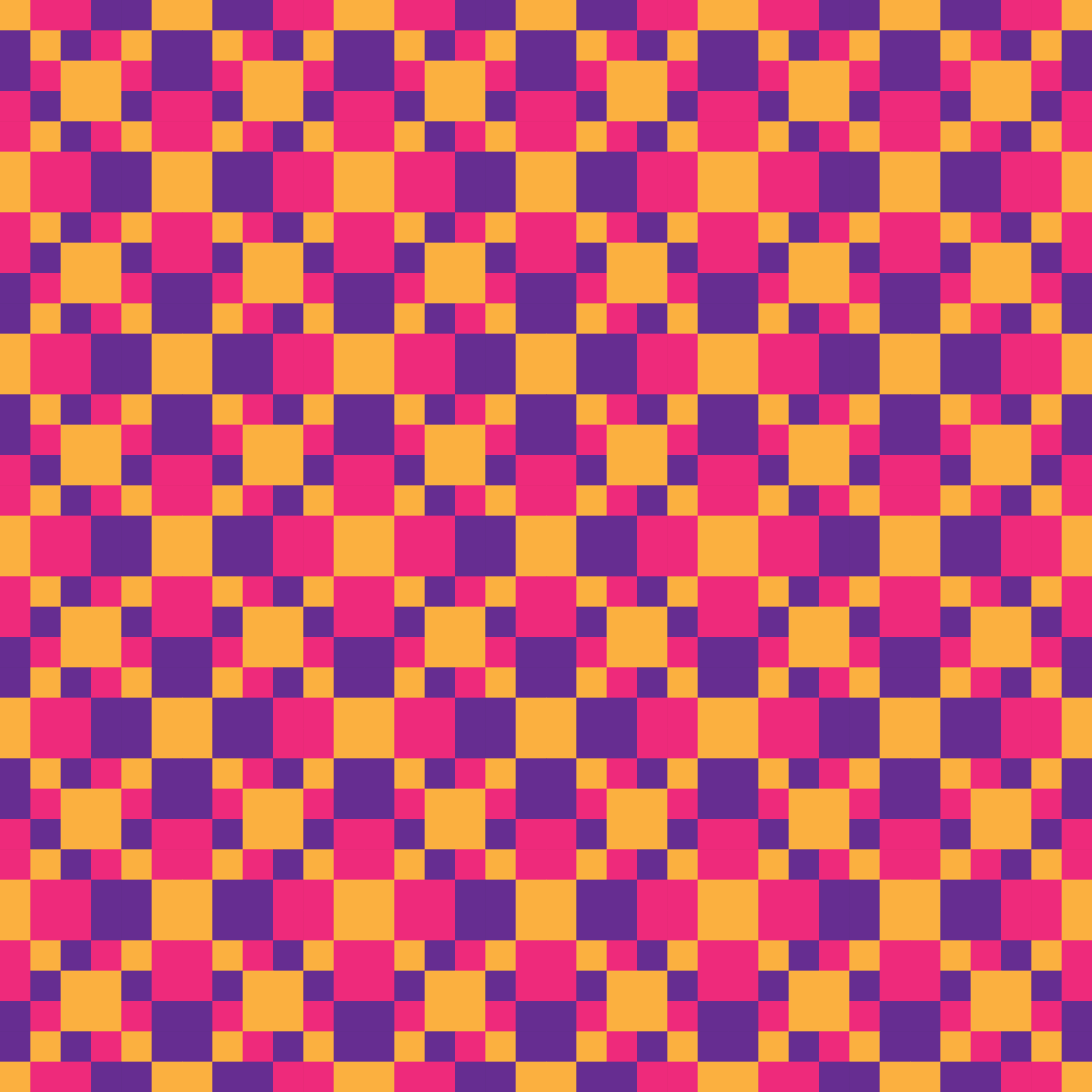 Bases — YANG
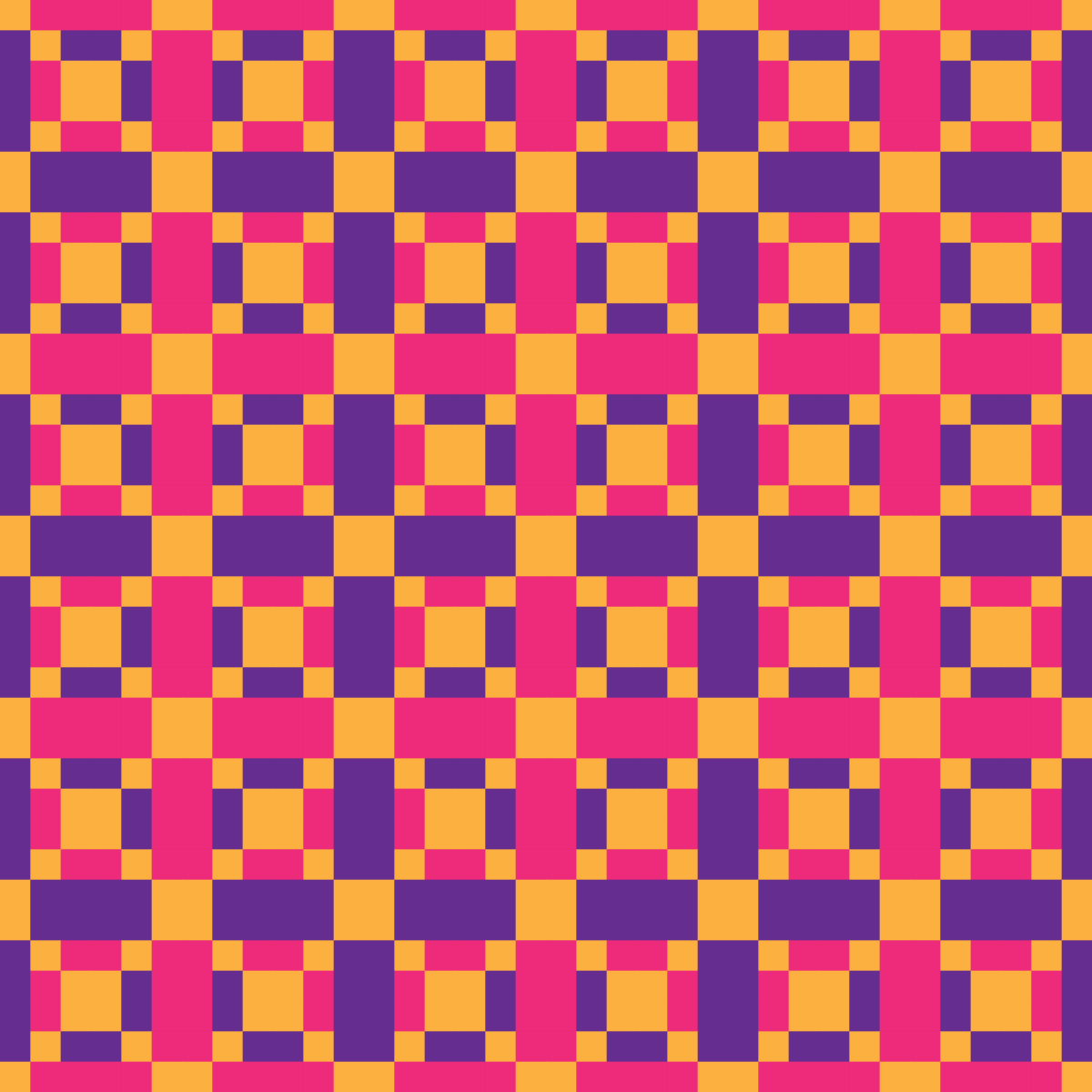 Pair of two — YANG + YIN mutant
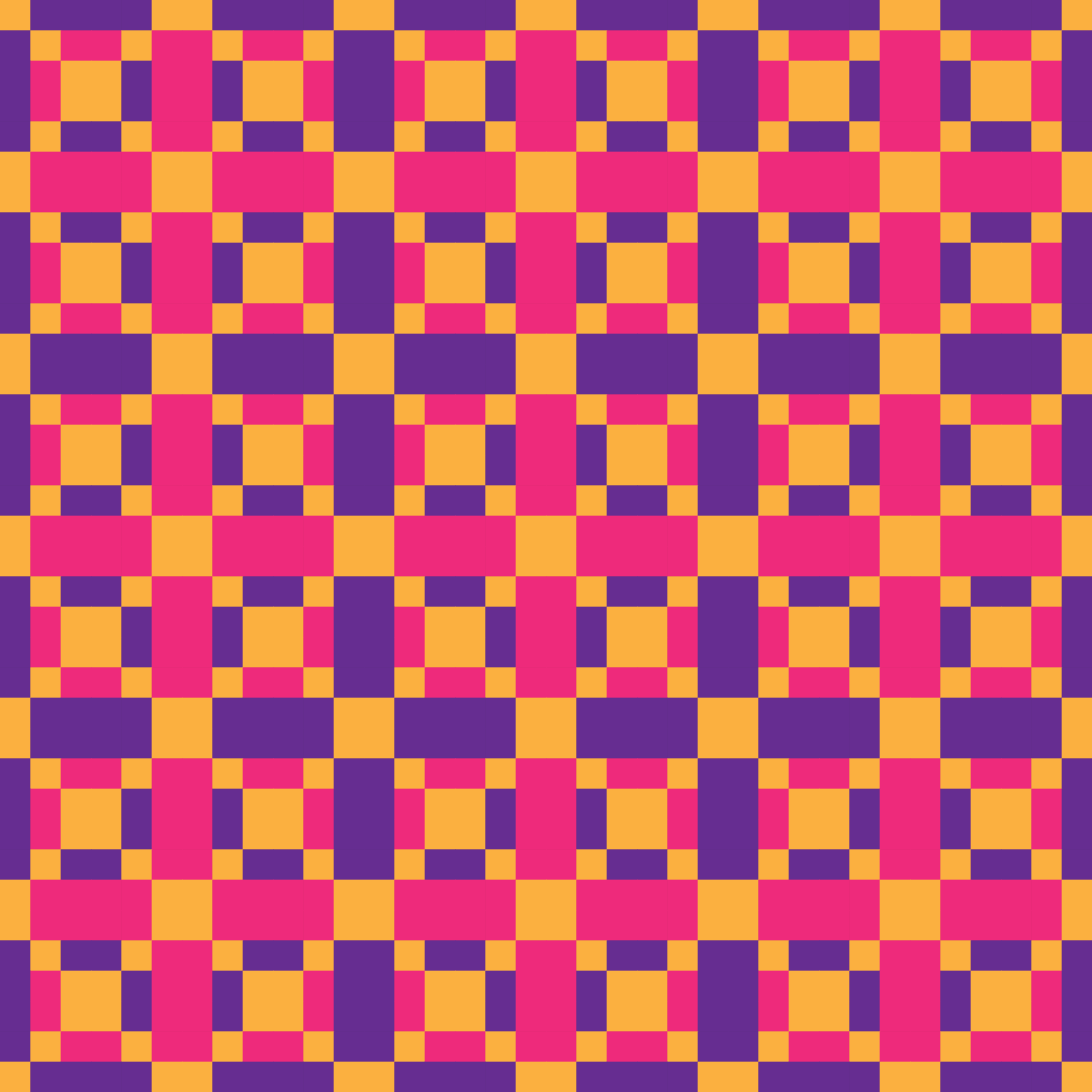 Pair of two — YIN mutant + YANG mutant
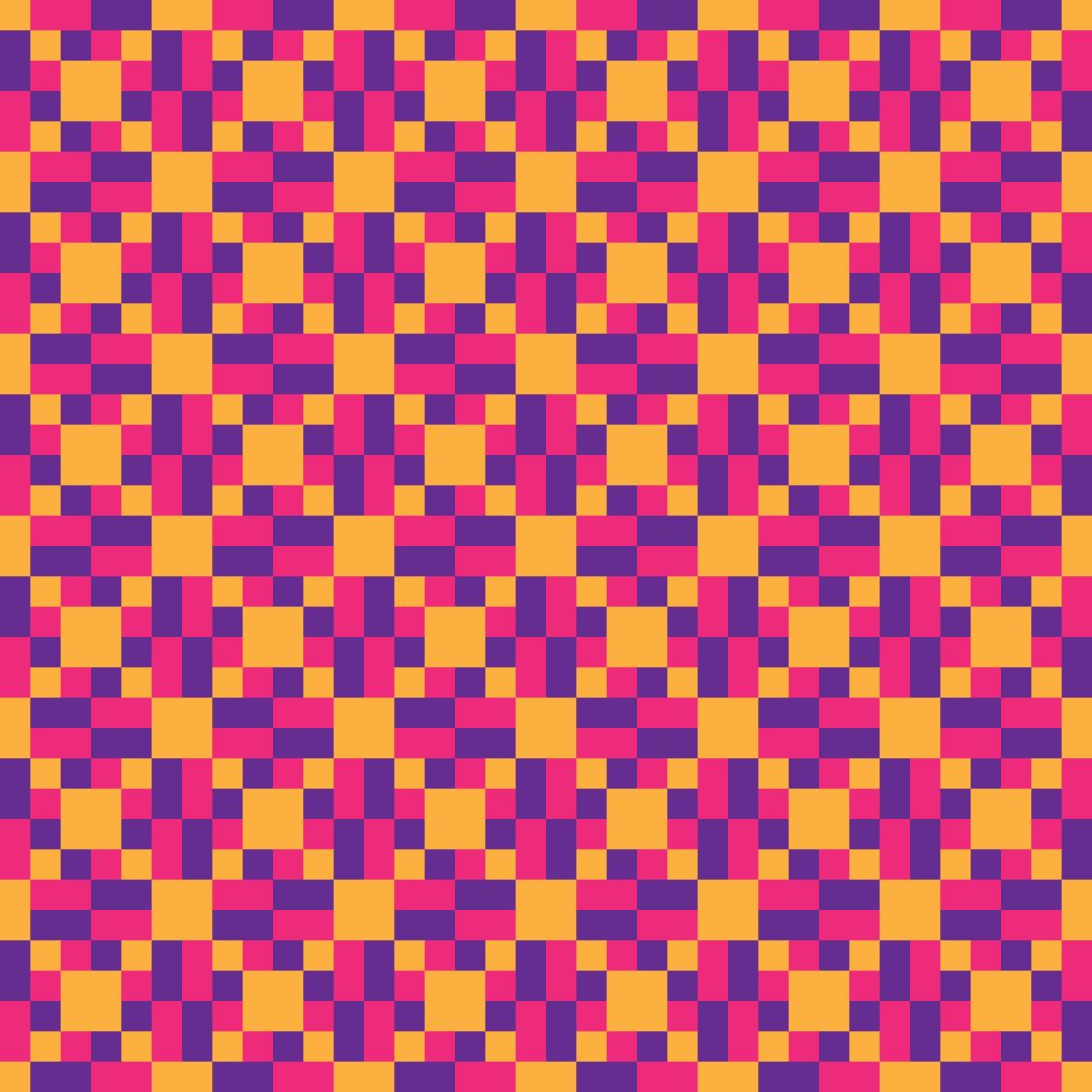 Pair of two — YIN + YANG
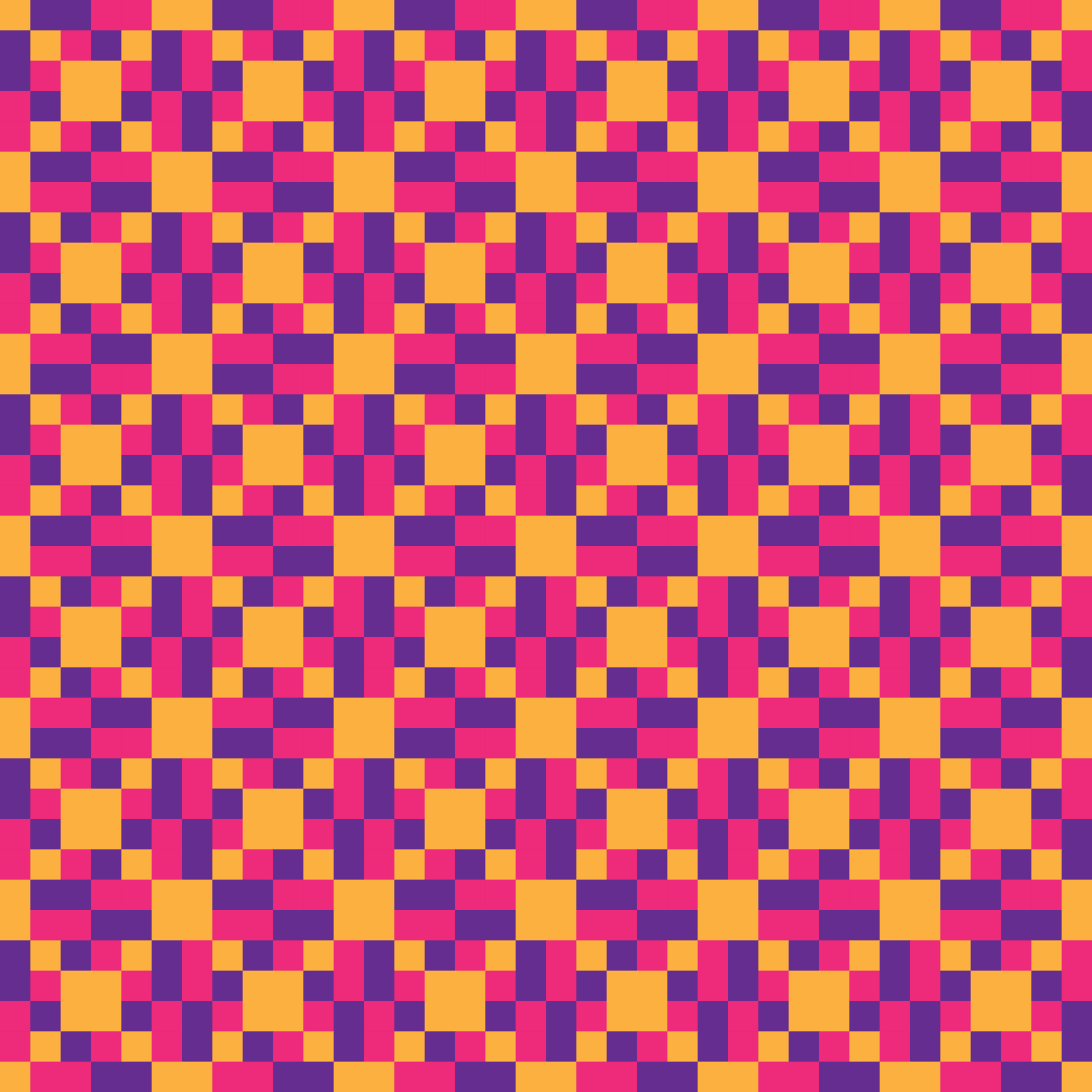 Pair of two — YIN + YANG mutant
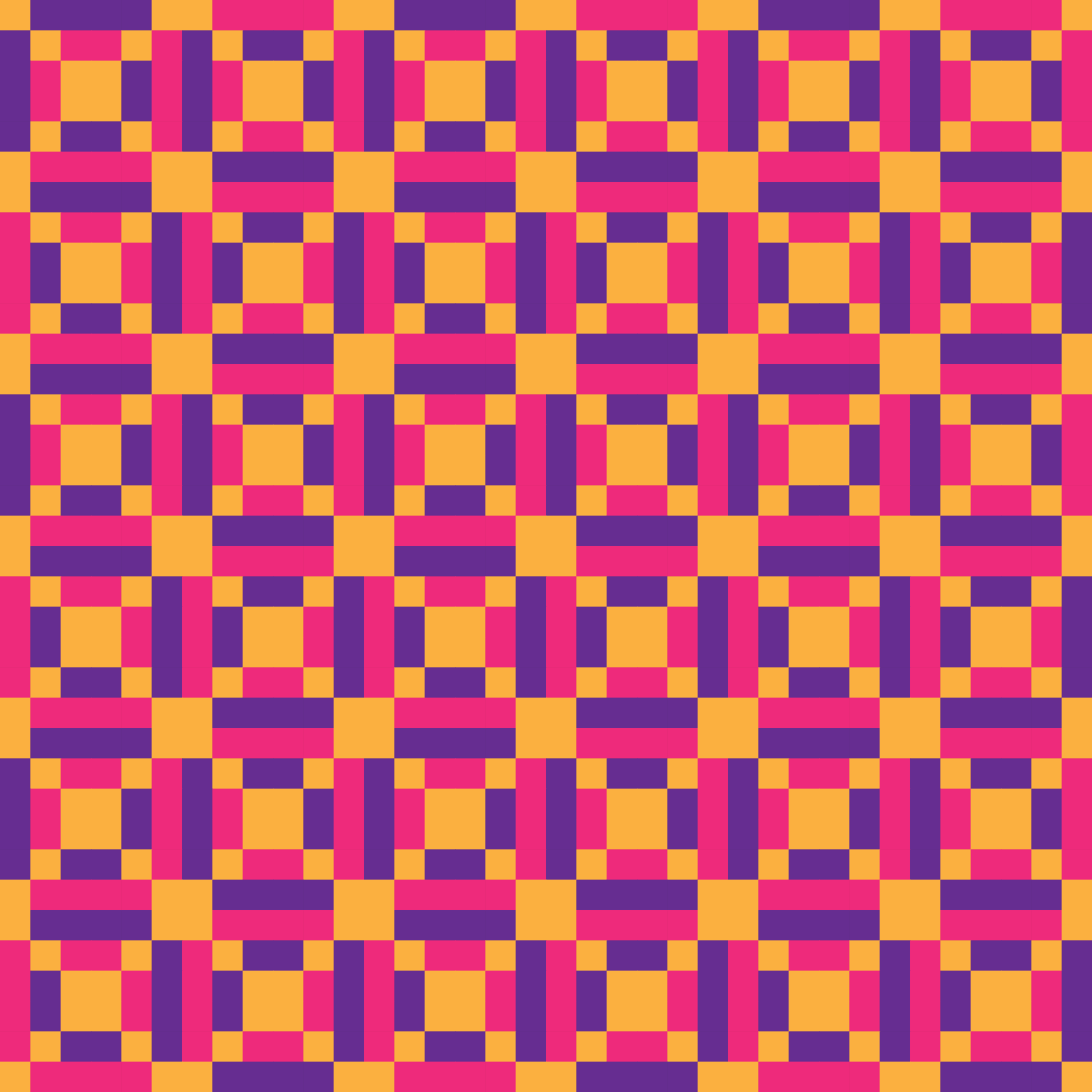 Triple — without YANG
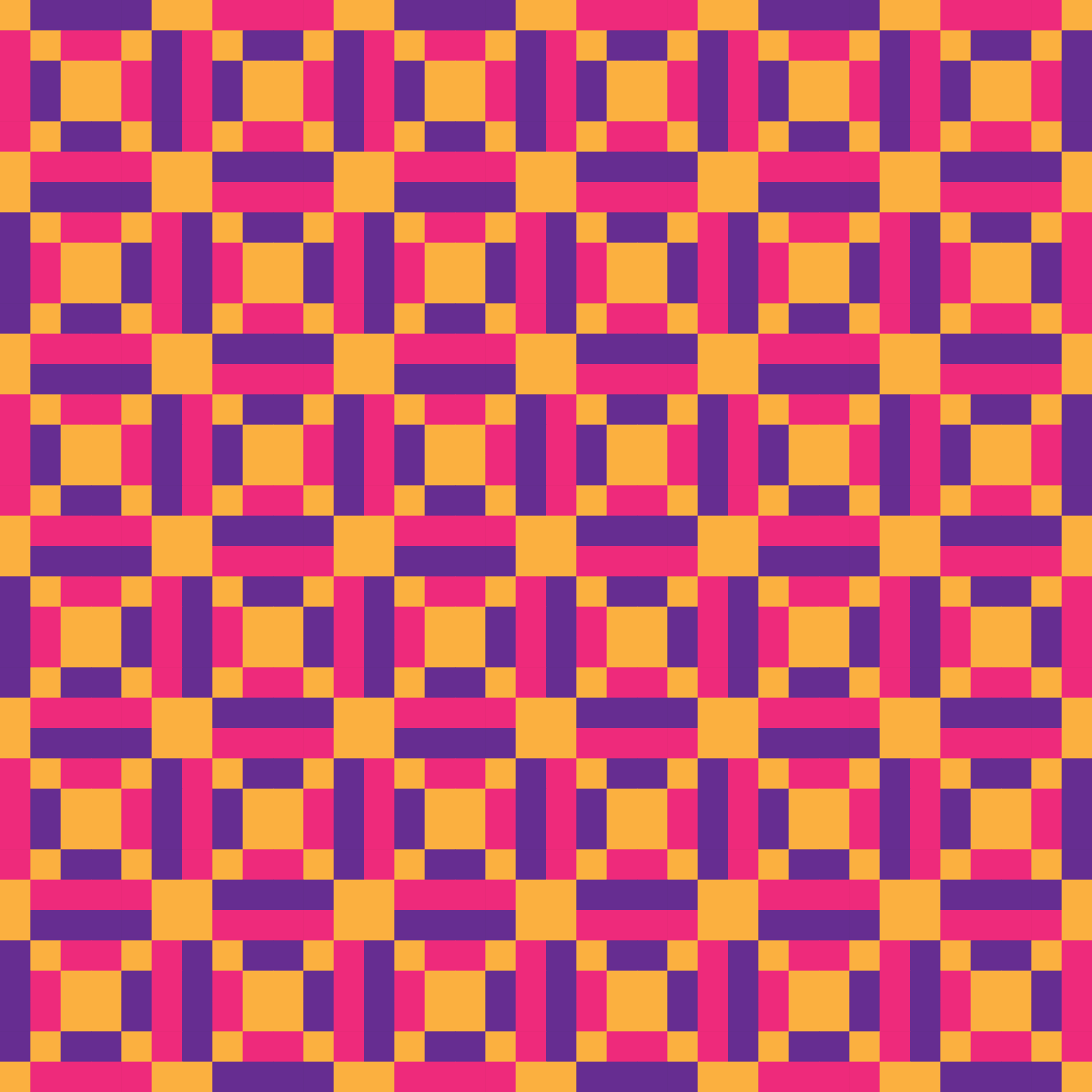 Triple — without YANG mutant
Neighbouring hexagrams
41 — Shi He, Biting Through · 43 — Kui, Opposition
Hexagrams sharing a trigram
Same upper trigram (☲ Li): 40 — Jin, Progress · 41 — Shi He, Biting Through · 43 — Kui, Opposition · 44 — Lu, The Wanderer · 45 — Li, That Which Clings, Fire · 46 — Ding, The Cauldron · 47 — Da You, Possession in Great Measure
Same lower trigram (☵ Kan): 2 — Shi, The Army · 10 — Jie, Deliverance · 18 — Kan, The Abysmal · 26 — Kun, Oppression · 34 — Meng, Youthful Folly · 50 — Huan, Dispersion · 58 — Song, Conflict